
Coworking spaces have a furniture problem most other businesses don't.
You need furniture that works for a focused solo worker at 9am, a small team collaboration at noon, and a casual networking event at 6pm. It has to look great in photos because your space is a product that potential members evaluate online before they visit. And it has to survive daily use by dozens of different people with no consistent owner who cares about it.
Here's how to spec furniture for a coworking environment.
The zones every coworking space needs
Use four planning zones to organize the program: open workstations, private or focus rooms, lounge and collaboration, and event or meeting space. Confirm which are actually needed and how they share the floor plan.
Hot desks and open workspace: individual workstations for drop-in members. High daily turnover means durability is the priority. The furniture at hot desks gets used by a different person every day, sometimes multiple people in a single day. Ergonomic task chairs, clean desks, nothing that wobbles or slides.
Private offices and focus rooms: Record actual occupancy, quiet-work and client-meeting tasks. They may need more fixed layouts, but private rooms cannot automatically be assumed to receive less daily use than the open floor.
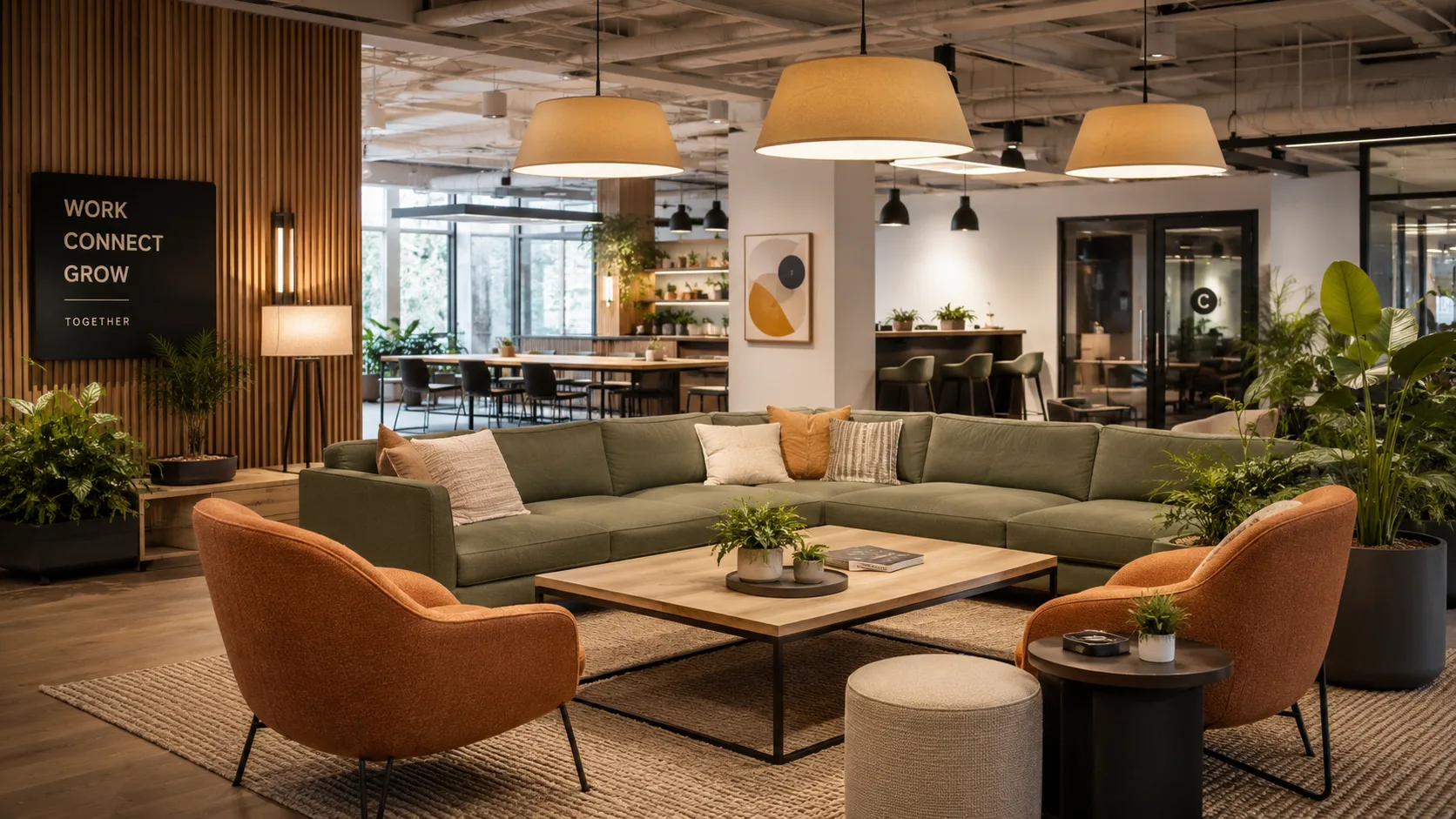
Lounge and collaboration zones: soft seating areas for informal meetings, casual work, and the social interactions that make a coworking space worth joining over working from home. Comfortable seating, lower tables, flexible arrangement that can reconfigure for group conversations.
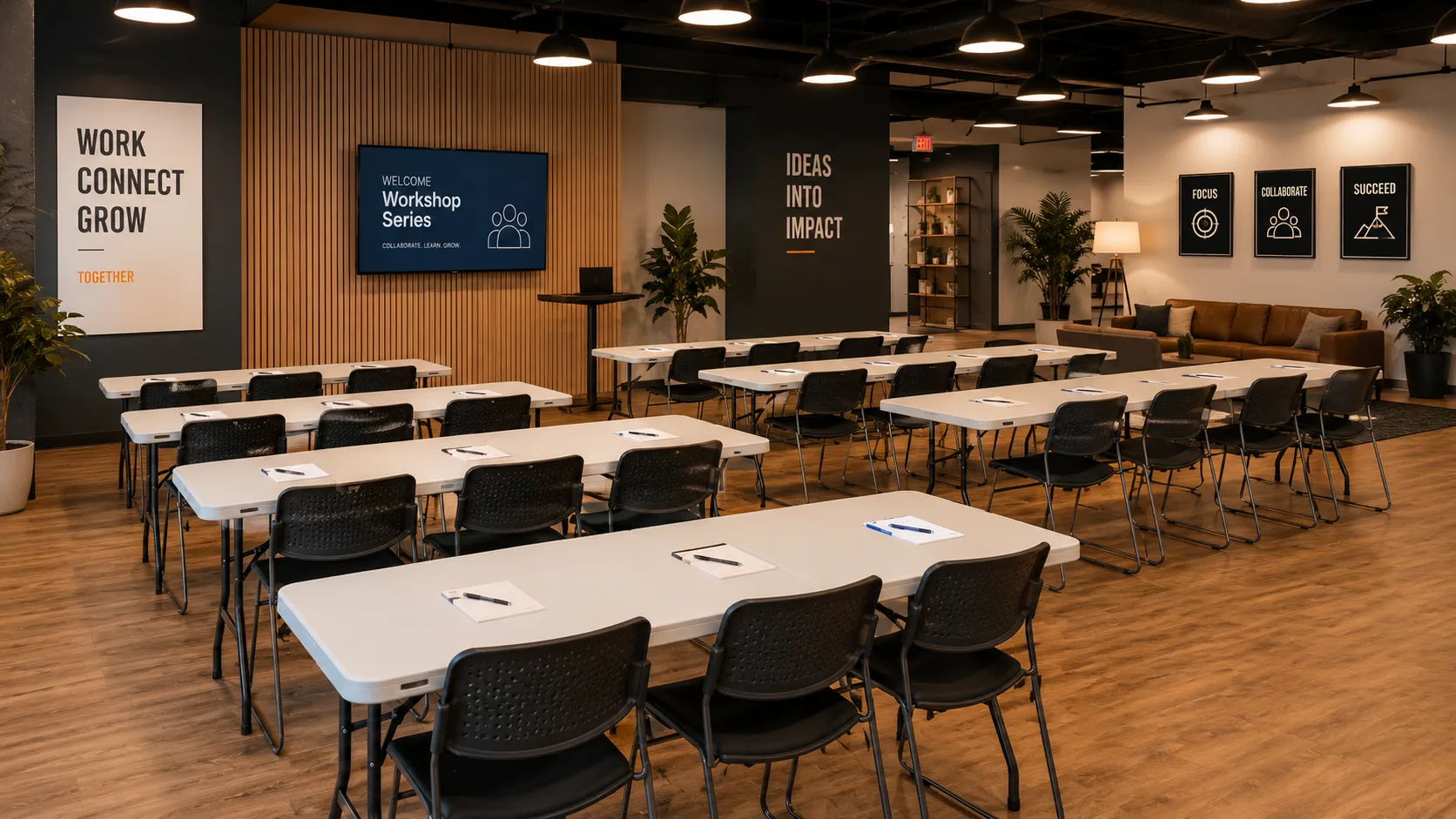
Event or meeting space: flexible space that reconfigures for presentations, workshops, and team meetings. Stackable or folding chairs, tables on casters. If you have only one space that converts to events, prioritize stackability over aesthetics in this zone.
Task chairs: the most important purchase in the building
Trial task chairs with the members and tasks the space serves. Four-to-eight-hour work sessions can be one trial scenario; seating matters to user experience, but this guide does not establish a renewal or productivity effect.
A $200-to-$500 allowance per chair is a published planning example, not a current model quotation. Compare actual seat, back and arm adjustments with users, desk height and tasks. OSHA's chair guidance supports fit and trials rather than one configuration for every adult.
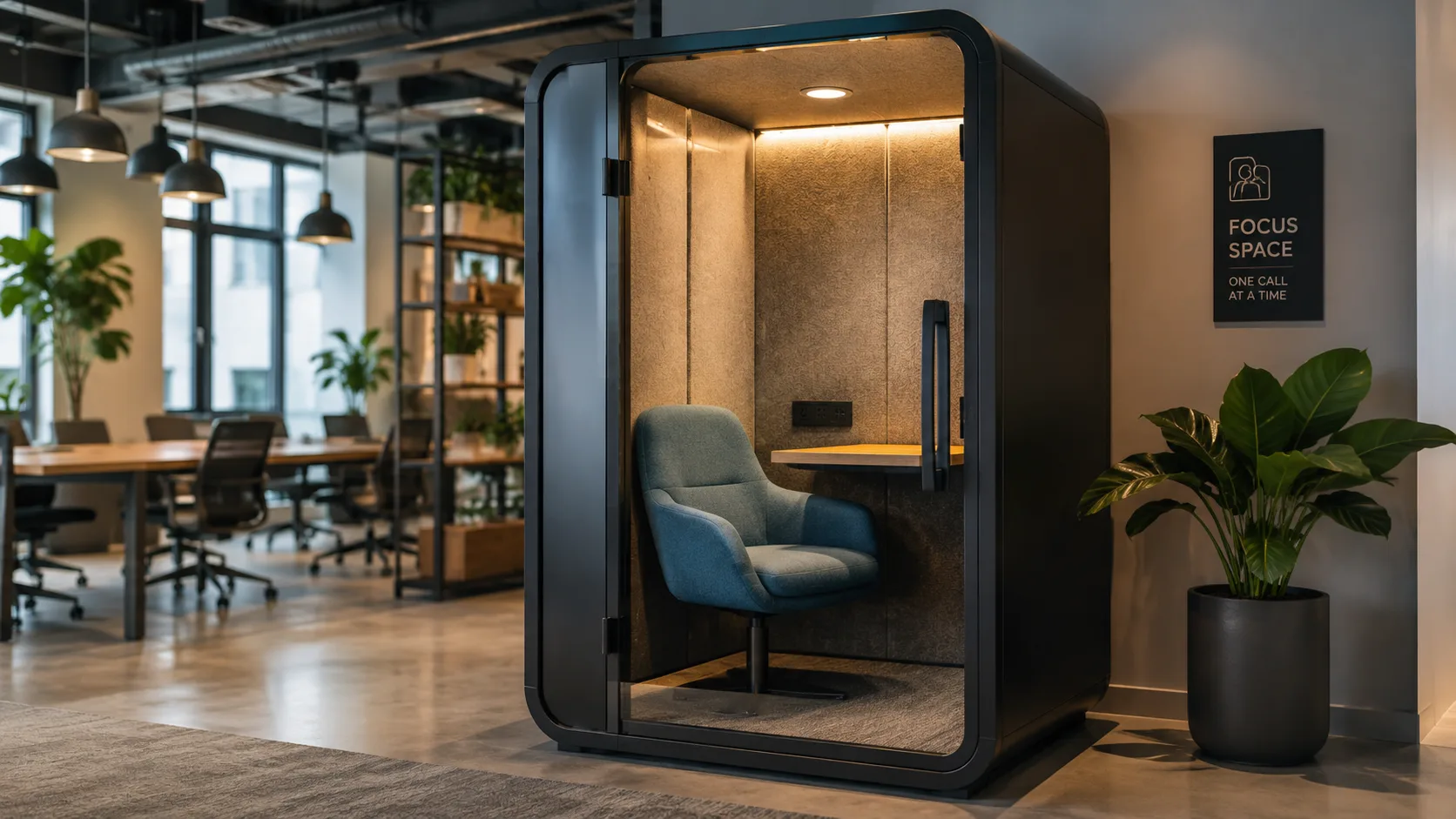
Compare the proposed chair's adjustments, fit, permitted use and support terms. A $60 price or a commercial label alone cannot predict comfort, productivity or membership renewal.
Flexibility is the design principle
Map how often each zone changes and who resets it. Mobility is useful where the program requires it; fixed furniture may still suit a dedicated task or location.
Prioritize: Where rooms reset, trial manufacturer-approved stacking, folding, casters or modular connections with the actual staff, storage and routes.
Avoid: Handling or storage arrangements that do not fit the reset plan. A two-person move may be appropriate for a documented product; do not assume every piece must move safely with one person.
Check product weights, approved stack limits, moving equipment and the actual reset procedure alongside appearance. Trial the event changeover before standardizing the inventory.
Sourcing, lead times, and budget
Obtain actual product origin, stock allocation, custom feasibility and approval, production and freight milestones from the prospective supplier. The article does not establish CFD manufacturing, inventory or a fixed ten-to-fourteen-week custom service.
Bring brand colors and reference images to the inquiry and ask which documented standard or custom finishes are feasible for the actual quantities and dates.
The published $30,000-to-$80,000 example for a 50-member space is a historical planning allowance. It does not define a current quote, area or delivered scope. Price an actual schedule of desks, chairs, lounge pieces and meeting furniture, then itemize freight, installation and other project costs.
The bottom line
Trial task chairs with the users and workstations, plan each zone against its tasks, and check the actual event changeover and storage. Prioritize mobility where the program requires resets.
Related reading: Reception Area Furniture Guide · Commercial Furniture Lead Times · Questions to Ask a Commercial Furniture Supplier