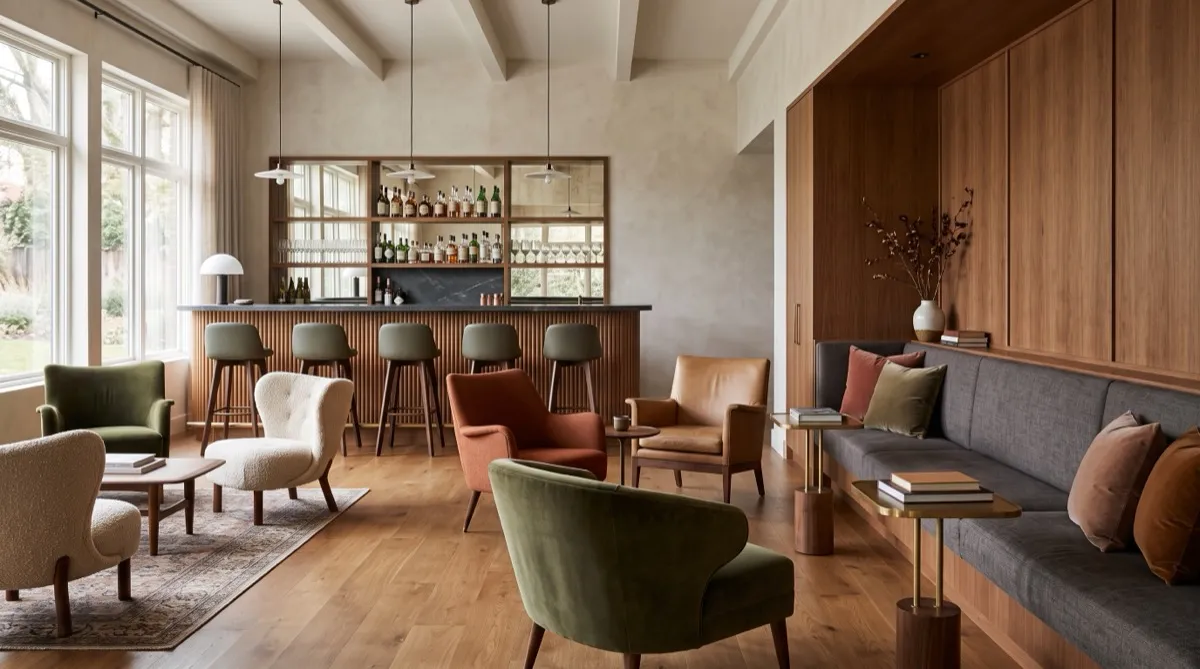
Commercial seating is one of those terms that sounds simple until you're actually trying to buy it. Dining seating, lounge seating, bar seating, outdoor seating, all described as "commercial," but they're different products with different specs, different minimums, and different lead times.
Here's the full picture so you know what you're buying before you commit.

The categories of commercial seating
Dining seating: compare the chair and table as an occupied assembly. An 18-inch seat height and 30 to 50 daily seating uses are illustrative fit and duty scenarios, not industry defaults or observed restaurant turnover. Define the actual users, use and care requirements before selecting models.
Bar and counter seating: 24 to 30 inches is an illustrative seat-height comparison band, not a fit rule. Match the actual counter underside, occupied leg room, footrest and chair dimensions, and obtain the model's load and stability documents rather than assuming a heavier frame is required.
Lounge seating: identify the intended lobby, waiting or social tasks and observed seating duration. Compare cushion, support, fit and cleaning with a sample; a lower or softer category does not establish greater comfort or lower daily use.
Outdoor seating: obtain exact intended exterior use and exposure, finish, cushion, care and storage documents. Aluminum, powder-coated steel, teak or a UV-resistant label alone does not establish suitability; confirm any proposed indoor-to-outdoor use with the maker.
Know which category you need before you contact a supplier. The specs, pricing, and minimums differ.
What "commercial grade" actually means in seating
A commercial designation needs supporting model documents; it does not identify one universal test, threshold or certification.
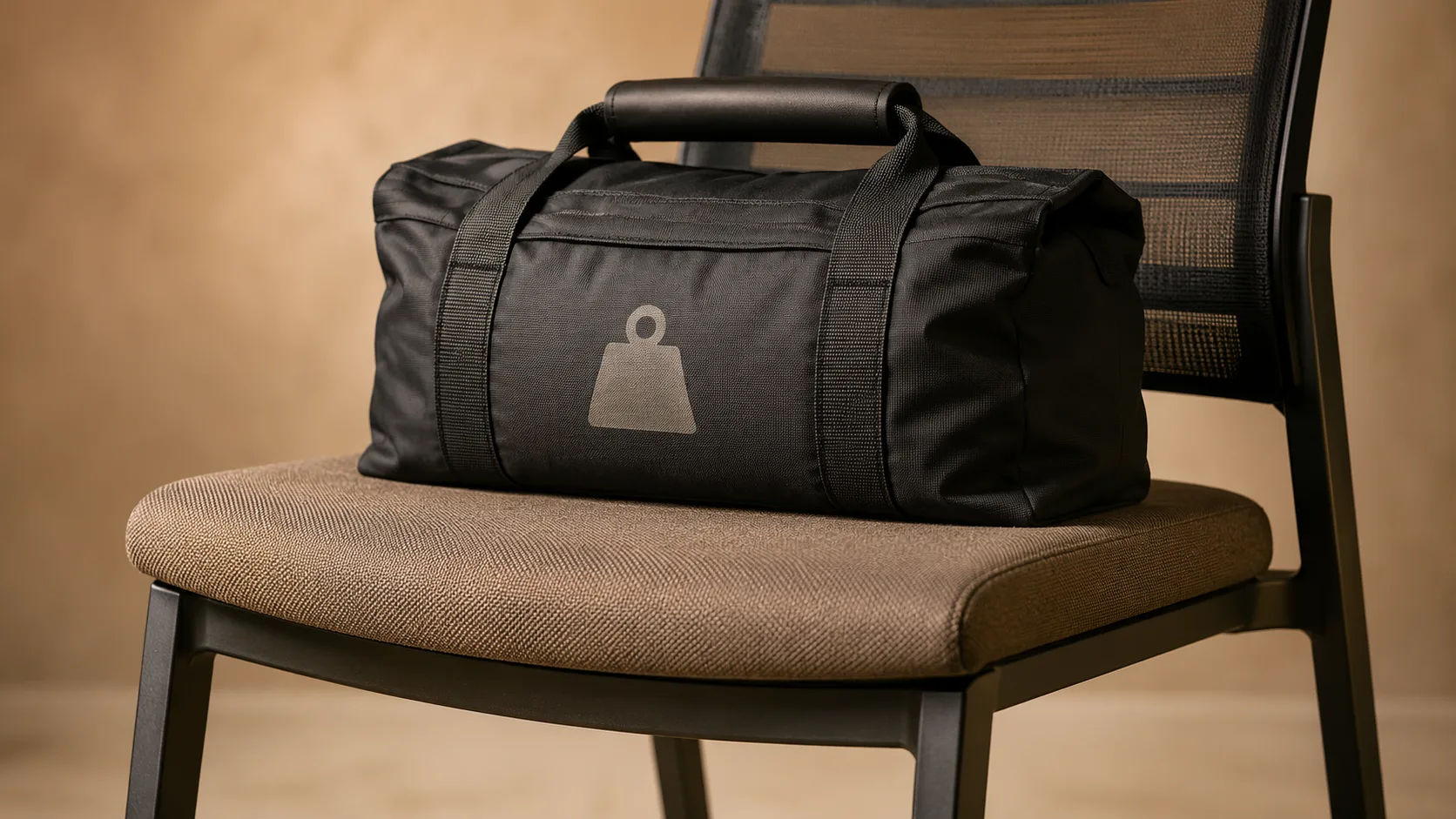
Frame construction: obtain the exact steel, hardwood, or other assembly's joints, load and cycle-test documents, intended use, and maintenance instructions. Commercial and residential labels alone do not establish different thresholds or a tens-of-thousands-of-cycles result.
BIFMA documentation: if a supplier claims a BIFMA standard, test or program status, ask for the exact identifier and edition, model/configuration covered, test record or listing, and scope. Do not treat the word BIFMA as one universal seating certification or assume independent verification from a catalog label.
Upholstery rating: compare the test method, textile type, care instructions, and intended application. The ACT guidelines use 30,000 Wyzenbeek double rubs for high-traffic woven or knit fabrics and 50,000 for coated fabrics; those counts do not establish a months-to-wear difference.
Foam density: ask for mass-per-volume units separately from firmness. The 35 to 40 and 15 to 25 ILD bands are firmness assumptions, rather than density or commercial-use certifications. The Polyurethane Foam Association explains the distinction. A flat cushion needs investigation of its density, thickness, support, and fatigue performance; it does not prove a particular foam grade from appearance alone.
Minimum orders and customization
Ask whether the proposed seating comes from stock or a made-to-order run. A supplier may set a minimum by product, finish, fabric, or carton; record the actual requirement and approval scope rather than assuming all commercial seating follows one production model.
For a preliminary order worksheet, 10 to 20 dining chairs, 20 barstools, or 4 to 6 lounge pieces per style can be illustrative quantity scenarios. They are not confirmed supplier minimums. Obtain the MOQ by exact model, finish, fabric, and carton from the proposal.
Record the frame finish, upholstery, seat dimensions, and quantity you want, then ask whether the selected supplier and model allow those changes. Confirm any finish- or fabric-specific minimum, sample charge, and approval requirement; custom and standard orders need not share the same minimum.
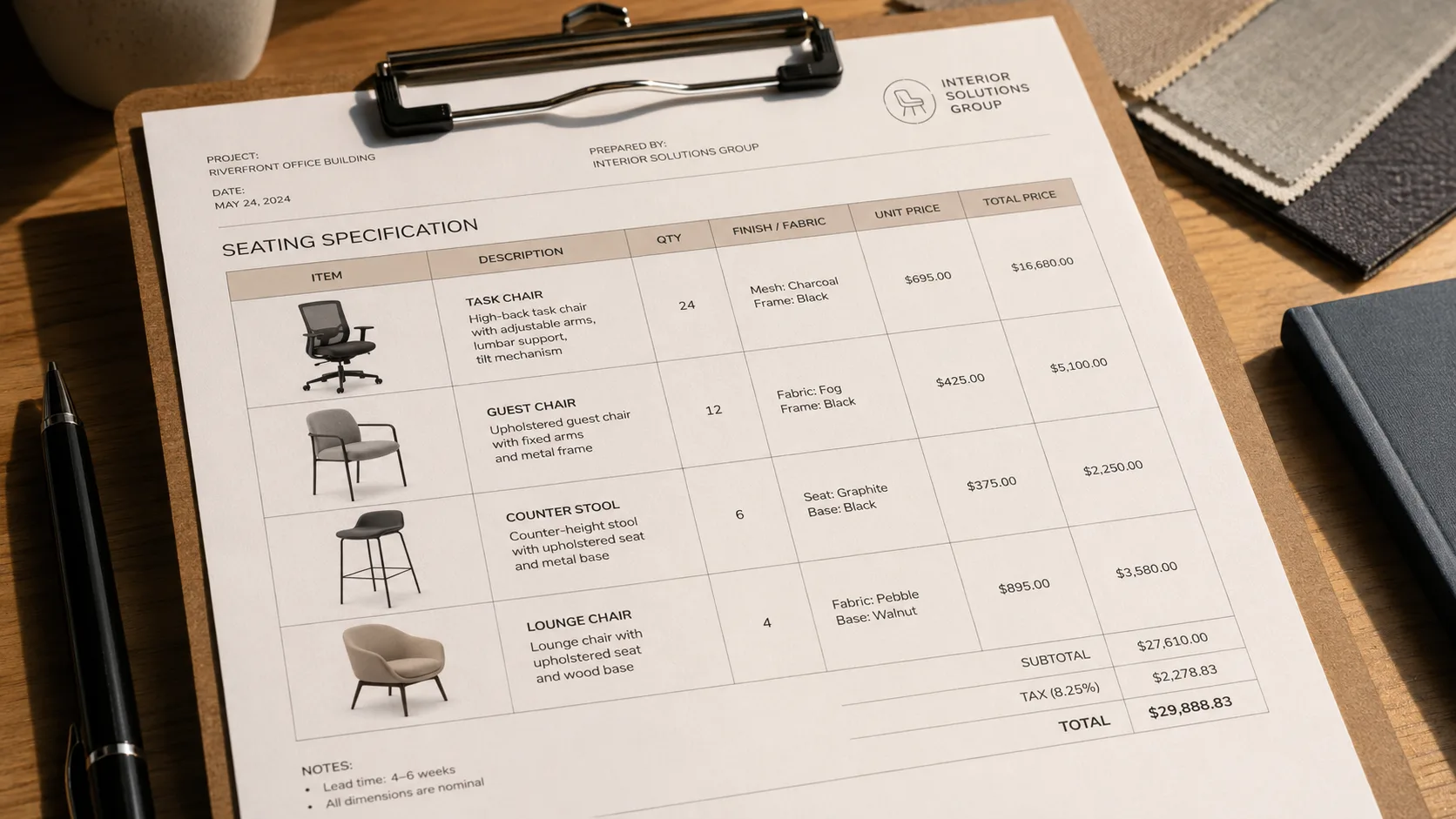
Use reference images and a written seating brief to request a quote. Ask any responding independent supplier which categories and custom options they can supply, and obtain written feasibility, model specifications, and milestones before treating an idea as an available product.
Matching seating to the environment
Different commercial environments need different seating specs within the same commercial grade category.
Restaurant dining room: compare exact upholstered and hard-seat assemblies, frame and joint documents, textile care and the room's actual handling and cleaning; welded metal, solid wood or vinyl does not alone establish suitability.
Bar: compare the exact footrest, joints, load and stability records, seat-to-counter fit, and approved cleaning; a heavy frame or vinyl cover alone is not a suitability test.
Hotel lobby or lounge: higher comfort specification, higher aesthetic expectations. Performance fabric, quality foam, visual details matter more here.
Office or coworking: ergonomic task chairs for primary work seating. Commercial lounge chairs for collaboration and reception zones.
Outdoor: ask for the selected model's exterior-use and exposure documents, approved care and storage, and any stack limit; aluminum or a UV-resistant label alone does not approve patio use.
Spec each zone for its actual use case. A chair that's correct for a restaurant dining room may not be correct for a bar, even if both are labeled commercial grade.
Lead times and planning
Ask the supplier to identify the proposed product's manufacturing origin and fulfillment route; the concept catalog does not establish either. Confirm locally stocked quantities by exact item and finish. A 10 to 14 week factory-direct duration can be an illustrative calendar assumption, but actual approval, production, transit, and delivery milestones must come from the selected supplier.
Use the supplier's approved milestones to set the order date. Fourteen weeks is an illustrative scheduling scenario rather than a universal minimum, and early arrival needs an agreed storage location and handling plan. Check which furnishing dependencies affect the project's authorized opening and use dates; early arrival also needs approved storage and handling.
The bottom line
Identify your category first: dining, bar, lounge, or outdoor. Confirm the frame construction and Wyzenbeek rating before you compare prices. Know your minimum and custom options. Replace any 14-week planning assumption with the confirmed approval, production, transit, and receiving schedule. Those four steps cover most of the mistakes first-time commercial seating buyers make.
Related reading: Contract vs Residential Furniture · How to Order Commercial Furniture in Bulk · Commercial Upholstery Fabric Guide · Hospitality seating in Dallas restaurants