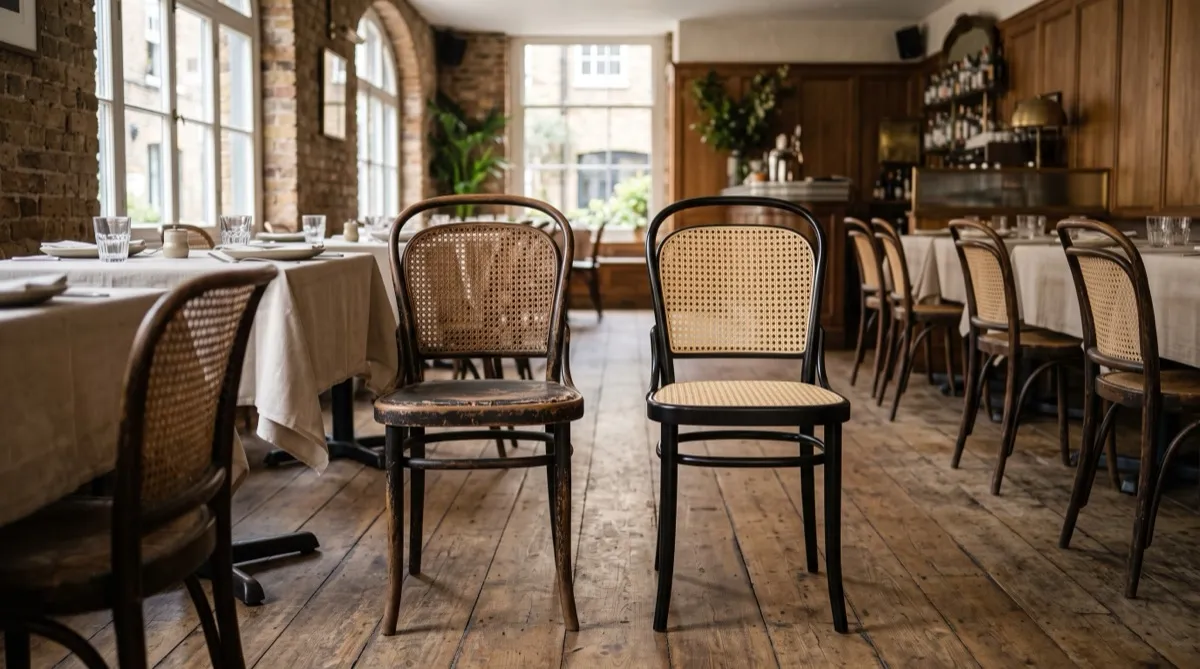
One of the first questions restaurant and bar owners ask when they see commercial furniture pricing is whether it's actually worth it. Is the durability really that much better than what you'd get from Wayfair or a retail furniture store?
A commercial or retail label alone cannot answer the lifespan question. Compare documented intended use, construction, care, warranty and actual condition before assigning a service-life assumption.
What determines lifespan in commercial furniture
Construction, upholstery, exposure, installation, use and maintenance all affect useful life. Compare documented use limits and the condition of your own furniture instead of assigning a fixed lifetime from the product category.
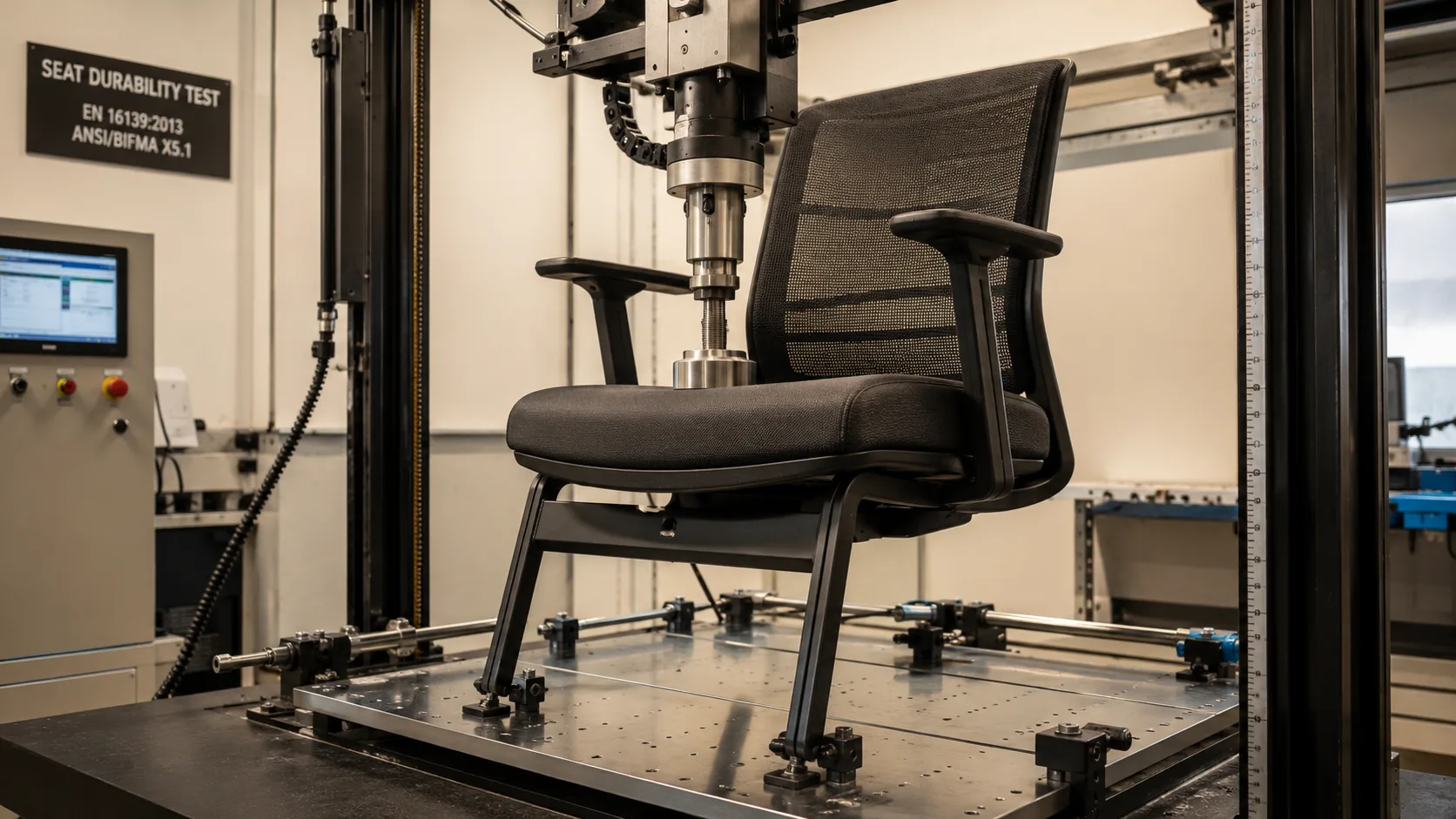
Frame construction: Review the complete design, joints, load limits, applicable test evidence and inspection instructions. Steel or hardwood does not guarantee building-long life, and welds do not universally outlast properly designed mechanical connections.
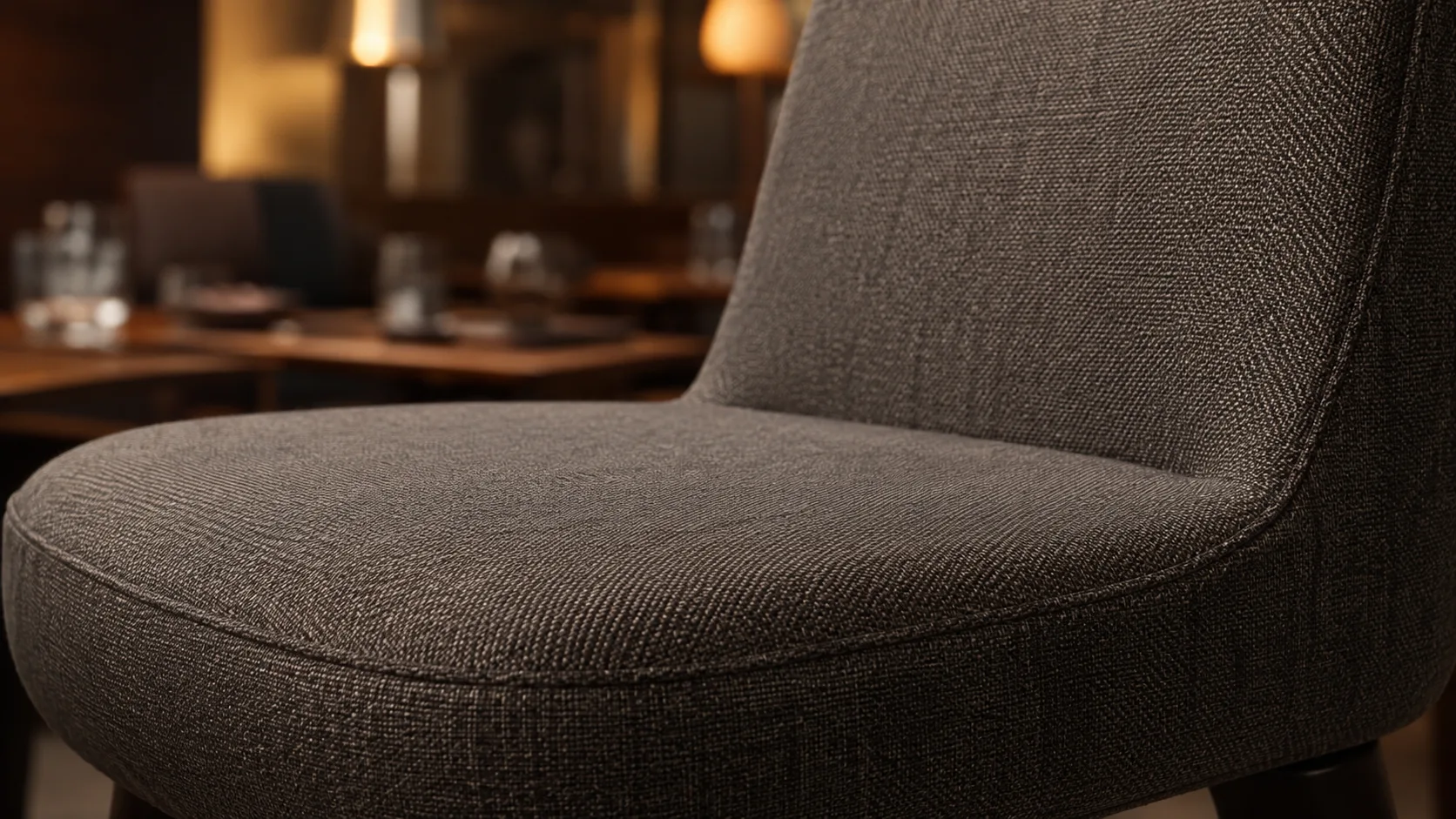
Upholstery: Request the material, test method and approved cleaners. ACT explains that abrasion results do not predict product lifespan. 50,000 double rubs does not establish five to eight years, nor does 15,000 establish eighteen to twenty-four months.
Maintenance: Follow the manufacturer's actual cleaning, hardware inspection and repair instructions. Set intervals from those instructions and observed use rather than promising ten-plus years from annual tightening.
Lifespan by product type
The following categories identify what to assess; they are not verified lifespan ranges.
Metal frame dining chairs: Inspect joints, fasteners, finish, glides and support. Request the intended-use and maintenance documentation; no universal ten to fifteen year life is established.
Solid wood dining chairs: Inspect joints, finish and any moisture or impact damage. Confirm permitted cleaners and repair options; eight to twelve years is not a verified range for an unspecified chair.
Commercial barstools: Inspect footrests, joints, glides and any swivel mechanism along with the seat. Documented construction and observed condition matter more than a seven to ten year assumption.
Upholstered lounge seating: Assess cover, cushion and support separately. Obtain repair and replacement quotes after the frame assessment; reupholstery is not automatically the cheaper option or due in five to eight years.
Outdoor commercial furniture: Confirm actual exposure limits, hardware, finish and seasonal storage instructions. Five to eight years cannot be assumed for every climate or product.
Compare the actual intended-use and support terms of alternative products. A retail or commercial label is insufficient to set a replacement cycle; record condition, repair options and the project's actual service requirements.
The real cost over 10 years
The following annualized figures are hypothetical planning inputs, not observed prices or lifespans.
Example assumption: a $250 barstool used for 8 years has an initial purchase cost of $31.25 per assumed year of use.
Example assumption: an $80 barstool replaced every 2 years has an initial purchase cost of $40 per assumed year. Compare actual freight, labor, maintenance and downtime separately.
Those assumptions produce different annualized costs, but they do not prove that a proposed commercial option will last eight years or be cheaper over a ten-year project. Model actual replacement events and current quotes across the same horizon.
What to look for when evaluating longevity
When you're comparing commercial furniture options, ask these specific questions.
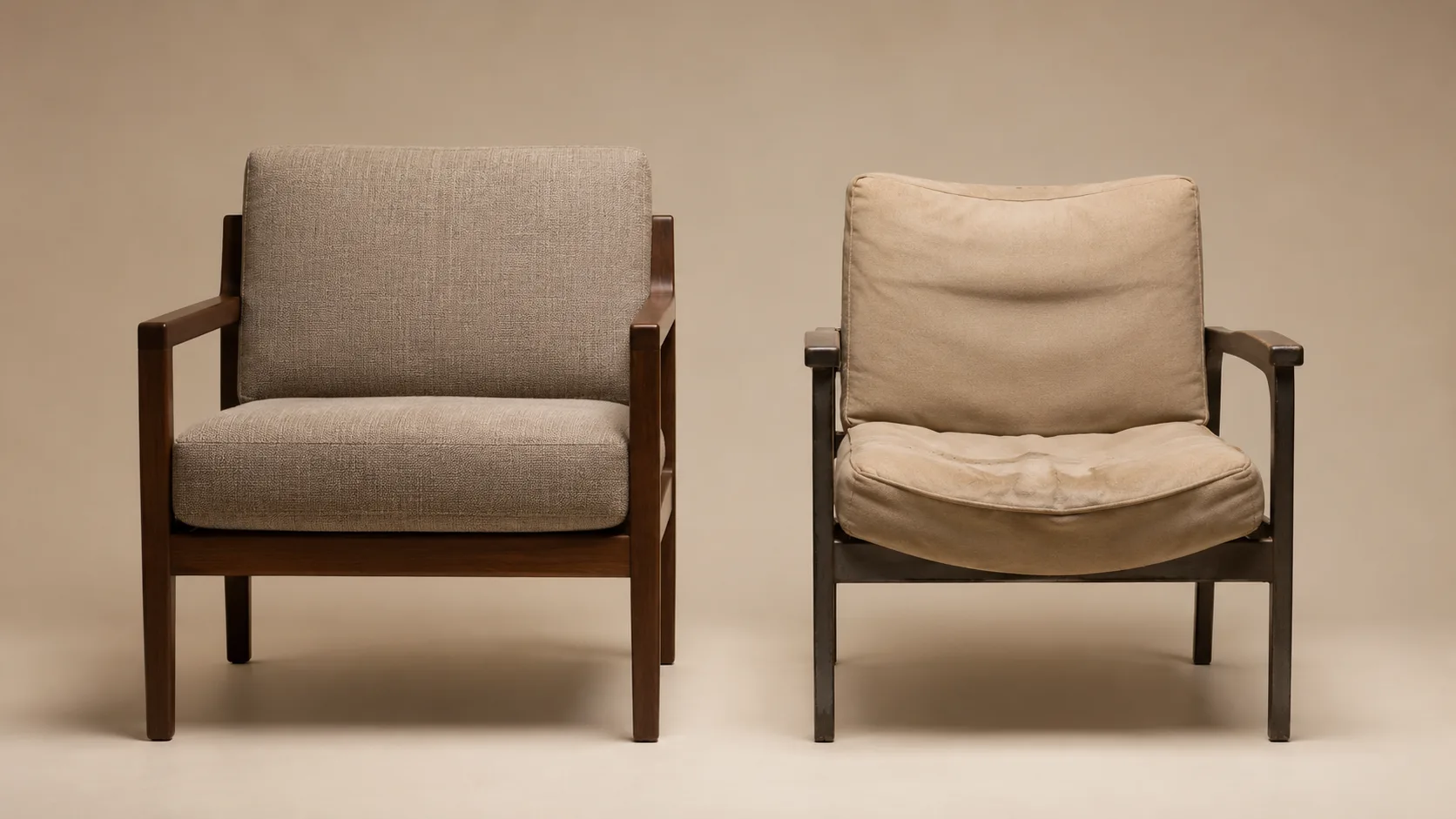
What is the complete frame and joint specification, what testing applies and what maintenance is required? The connection type alone cannot establish longest life.
What abrasion method and result are reported for the exact upholstery? Review that alongside cleaning, other performance evidence and the application rather than prescribing one universal count.
What are the foam density, firmness and fatigue-performance specifications? PFA distinguishes mass-per-volume density from indentation firmness. An ILD number alone does not establish density or a replacement month.
What is the warranty? A supplier confident in their product's durability backs it with documentation. Ask for the warranty terms in writing before you commit.
The bottom line
Compare documented proposals over a common planning horizon using explicit cost and service-life assumptions. Inspect and maintain the actual products; no label guarantees lower lifetime cost or a decade without further furniture work.
Related reading: Commercial Upholstery Fabric Guide · Contract vs Residential Furniture · How to Refresh Your Restaurant Furniture
Our take
Maintain a component-level inventory and inspect it against the manufacturer's instructions. Schedule repair or replacement from observed condition and qualified assessment. Phasing by zone can help operations, but cannot guarantee the dining room never closes or that damage never becomes visible.
Planning check: Keep service-life assumptions separate from observed condition, manufacturer instructions and warranty coverage.