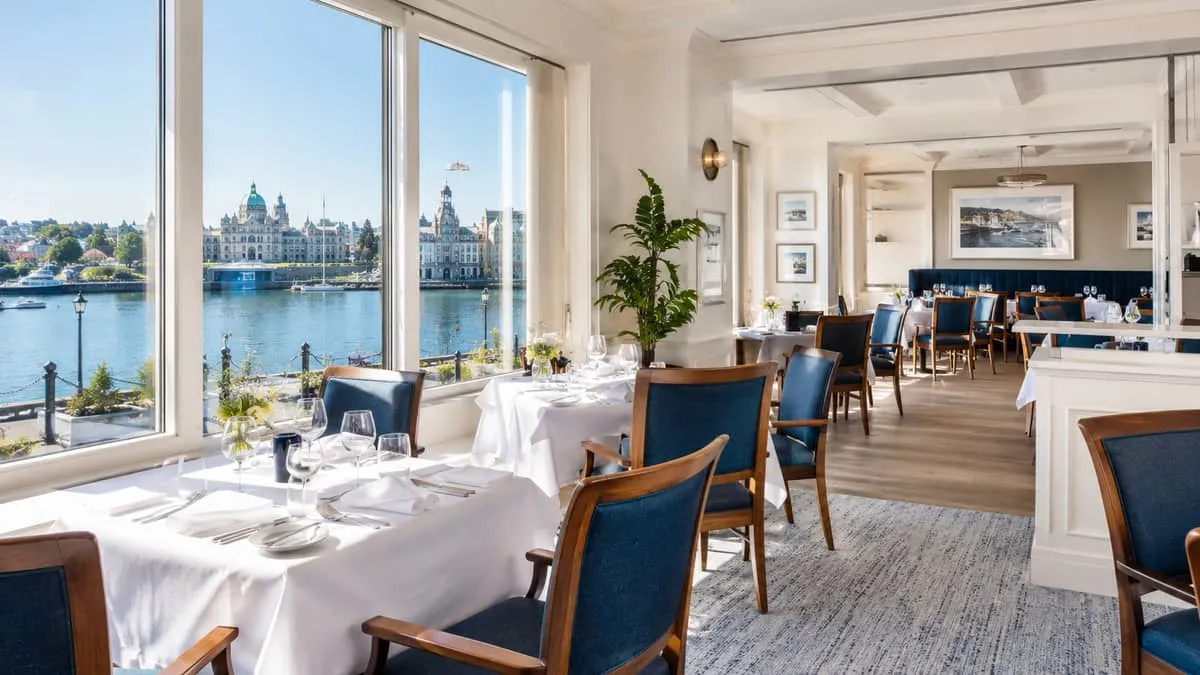
Victoria restaurants operate in one of the most demanding furniture environments in the country , and not for the reasons most operators expect. It's not the volume. It's the range. On any given day in July, the same dining room might seat a retired couple from Surrey on a weekend getaway, a group of whale-watching tourists in damp windbreakers, a table of provincial government staff at a working lunch, and a wedding party booked for a garden terrace dinner at dusk. Each scenario creates different wear patterns, different expectations, and different failure points for your furniture. Operators who choose seating based on aesthetics alone find this out the hard way around month eight, when the joints start loosening and the fabric shows the cumulative damage of a high-season rush that lasted four months with almost no break.
If you're opening or renovating a restaurant in Victoria , whether that's a waterfront patio along the causeway, a dining room inside a restored heritage building in Old Town, or a suite of event spaces in a boutique hotel off Government Street , the furniture choices you make now will determine your maintenance costs and guest experience for the next five to eight years. Here's what that decision actually looks like in the Victoria market.
The Empress Effect: Why Heritage Aesthetics Have Real Commercial Demands
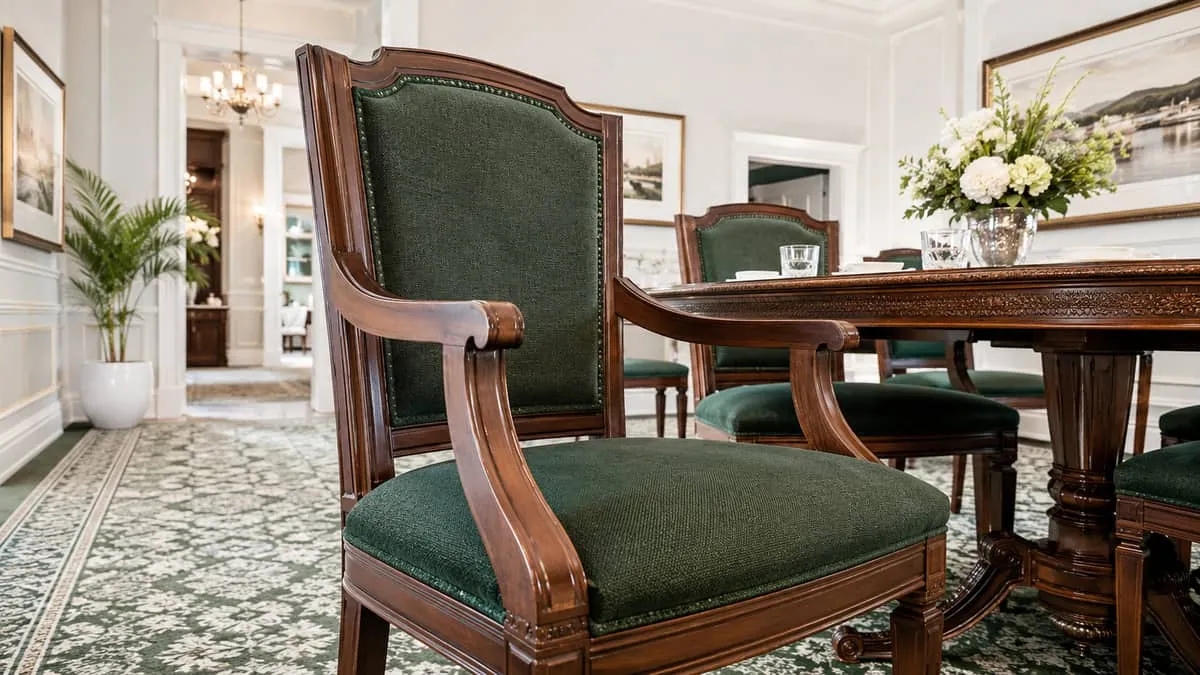
The Fairmont Empress sets a visual standard that shapes what diners expect from Victoria restaurants more broadly. When guests come to Victoria specifically for the afternoon tea experience , and tens of thousands do every year , they arrive with a strong mental image of what a dining room in this city should look like: dark wood, upholstered seating, warm lighting, an atmosphere that reads as genuinely historic rather than themed. Heritage boutique hotels throughout Old Town and James Bay are responding to that expectation, and so are a growing number of independent dining rooms that have leaned into Victorian and Edwardian character as a genuine differentiator.
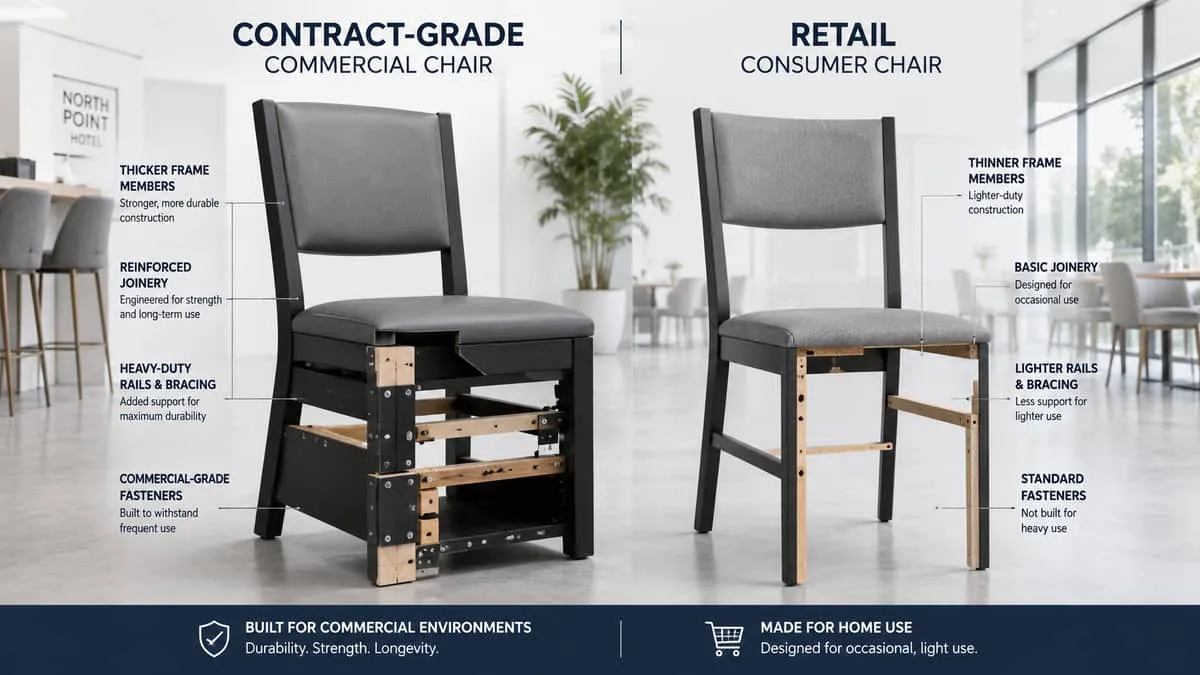
The trap here is buying furniture that looks the part without meeting commercial standards. A solid wood chair with a carved back and a fabric seat can look exactly right in a heritage dining room and still be completely unsuitable for commercial service if it's built to retail specifications. Retail furniture is designed for household use: one household, two or three people, a few hours of daily use. A Victoria restaurant running afternoon tea sittings followed by dinner service might cycle the same chairs through 150 to 200 covers across eight or nine hours. The frame stress is not comparable.
Contract-grade furniture built for commercial hospitality is tested to BIFMA standards, covering repeated load cycles, drop impact, and structural fatigue across thousands of simulated use cycles. When sourcing for a heritage-aesthetic Victoria property, the goal is chairs and banquettes that carry a period-appropriate look , solid ash or beech frames, tufted or channel-stitched upholstery, warm finishes , while meeting the structural and upholstery durability standards you'd expect from any serious contract supplier. Those two things are not in conflict, but you have to source specifically for both.
Seasonal Surge: Designing for a Four-Month Flood
Victoria's tourism season is compressed in ways that genuinely differ from larger Canadian cities. The Inner Harbour goes from manageable to relentless between late May and mid-September, driven by whale-watching departures, float plane arrivals, cruise ship dockings at Ogden Point, and a steady stream of day visitors crossing from the mainland on BC Ferries. For restaurants along the causeway and around Fisherman's Wharf, that concentration means furniture absorbs an enormous volume of use in a short window , and then sits through a quieter off-season that creates its own maintenance risks.
The implications for purchasing are practical. First, you need furniture that can absorb high-season stress without showing visible wear by the time September comes and your most photogenic dining moments are happening for harvest menus and shoulder-season tourists. Second, you need seating that stores or stacks without damage during any rotation or configuration changes you make between season peaks. Stackable side chairs rated for commercial use are not just a convenience for Victoria operators , they're a genuine business requirement when you're reconfiguring a patio for private events or pulling tables to accommodate a larger party during a Friday dinner rush.
For upholstery that will survive a Victoria summer, the double rub count matters more than most operators realize before they've bought a set of chairs that didn't make it to October. Double rubs measure abrasion resistance in upholstery fabric: a minimum of 50,000 double rubs for standard restaurant seating, 100,000 or higher for bar stools and any seat that sees turnover faster than 60 minutes. For afternoon tea venues and fine dining rooms where the aesthetic demands actual fabric rather than vinyl, performance fabrics like Crypton or Revolution deliver upholstered appearance with spill resistance and stain protection built into the fiber structure. The per-yard cost is higher, but the reupholstery cycle extends significantly , which matters when your alternative is pulling chairs mid-July because the fabric is showing obvious distress.
Waterfront and Fisherman's Wharf: Coastal Conditions Change the Spec
The restaurants along Victoria's waterfront , particularly the Fisherman's Wharf cluster and the dining patios along Wharf Street facing the harbour , operate in a salt-air environment that has a measurable effect on metal furniture components. Coastal humidity combined with salt air accelerates corrosion on raw steel and untreated iron in ways that mainland operators don't deal with. A metal-framed chair that performs without issue in a Calgary dining room can show surface rust within a season of exposure to Inner Harbour conditions.
For any seating that will be used outdoors, in semi-covered patio configurations, or in dining rooms with large doors open to waterfront air, the frame material specification matters. Powder-coated aluminum and marine-grade stainless steel are the right choices for coastal Victoria exposure. Powder coating on aluminum frames provides a corrosion barrier that holds up significantly better than painted finishes, and it's available in a wide enough range of colours and textures to suit both modern waterfront aesthetics and warmer heritage palettes. For operators who want wrought iron aesthetics without the corrosion risk, some suppliers offer powder-coated steel frames with rust-resistant primer layers , worth asking about specifically, and worth getting the finish specification in writing before you order.
Fisherman's Wharf patio seating also needs to account for what whale-watching tourists actually do between boat departures. They arrive in outdoor gear. They're often damp. They're eating quickly and leaving. The furniture requirements for that context are closer to a casual waterfront café than a heritage dining room: easy to clean, resistant to damp clothing, durable enough for frequent repositioning, and light enough that a server can reconfigure a cluster of tables in under two minutes for a larger party. Resin or polypropylene stack chairs meet those functional requirements and have improved significantly in finish quality over the past several years , worth considering for purely exterior configurations, even if your interior rooms call for something more substantial.
Afternoon Tea Venues: The Specific Furniture Requirements of Victoria's Signature Experience
Afternoon tea is not a niche offering in Victoria , it's one of the primary reasons international visitors put this city on their itinerary. The Empress is the anchor, but there are multiple heritage properties, garden venues, and boutique hotel dining rooms running formal tea service with significant demand. The furniture requirements for afternoon tea are worth understanding specifically because they differ from standard dinner service in ways that affect purchasing decisions.
Tea service sittings run long. Guests are seated for 90 minutes to two hours. The chair needs to provide genuine comfort across that duration, which means lumbar support, appropriate seat depth, and upholstery that doesn't compress flat under sustained use. Chairs selected purely for visual appeal , high backs, decorative carving, period-appropriate silhouette , often sacrifice seat ergonomics in ways that generate complaints about comfort before the scones arrive. The specification for an afternoon tea chair in a Victorian setting is: period-appropriate visual character, adequate upholstered seat cushion depth (minimum 2.5 to 3 inches of high-density foam), and a seat height that works with standard-height tables without requiring guests to negotiate the chair up to the table edge.
Banquette seating against walls or window lines is common in heritage dining rooms doing tea service, and it tends to hold up well in this context , fixed positions, consistent use, easy to reupholster in sections. The cushion spec for banquettes needs particular attention: a foam density below 1.8 lb/cubic foot will compress noticeably within a season of sustained commercial use, creating a visibly worn appearance and reducing comfort. Specify high-resilience foam at 2.0 to 2.2 lb/cubic foot for banquette cushions in any setting where guests are seated for extended periods.
Procurement Timing in a City With Limited Local Stock
Victoria is not Vancouver. There is no comparable density of contract furniture showrooms, and most commercial-grade product that comes into the Victoria market either sources through the Lower Mainland or ships directly from suppliers in Ontario, Quebec, or the United States. That geography has a direct effect on lead times, and lead times have a direct effect on when you need to start the purchasing process.
Custom and semi-custom contract furniture , which is most of what you'll be looking at for a heritage-aesthetic Victoria property , typically runs 10 to 16 weeks from confirmed order to delivery. That clock does not start when you decide you want something. It starts when you've finalized specifications, submitted your order, and made your deposit. If you're targeting a May opening for the summer season, you are placing furniture orders in January. If you're doing a renovation and targeting a September reopening for the shoulder season and fall, your furniture spec needs to be finalized before your contractor is finished framing walls.
The operators who get caught are the ones who treat furniture as a finish-line purchase , something to sort out once the kitchen is installed and the liquor license is approved. By that point in a Victoria renovation, you are often three months behind the procurement timeline for contract-grade product. Emergency orders exist, but they pull from limited in-stock inventory, and in-stock commercial furniture rarely gives you the material and finish combinations a heritage Victoria property actually needs.
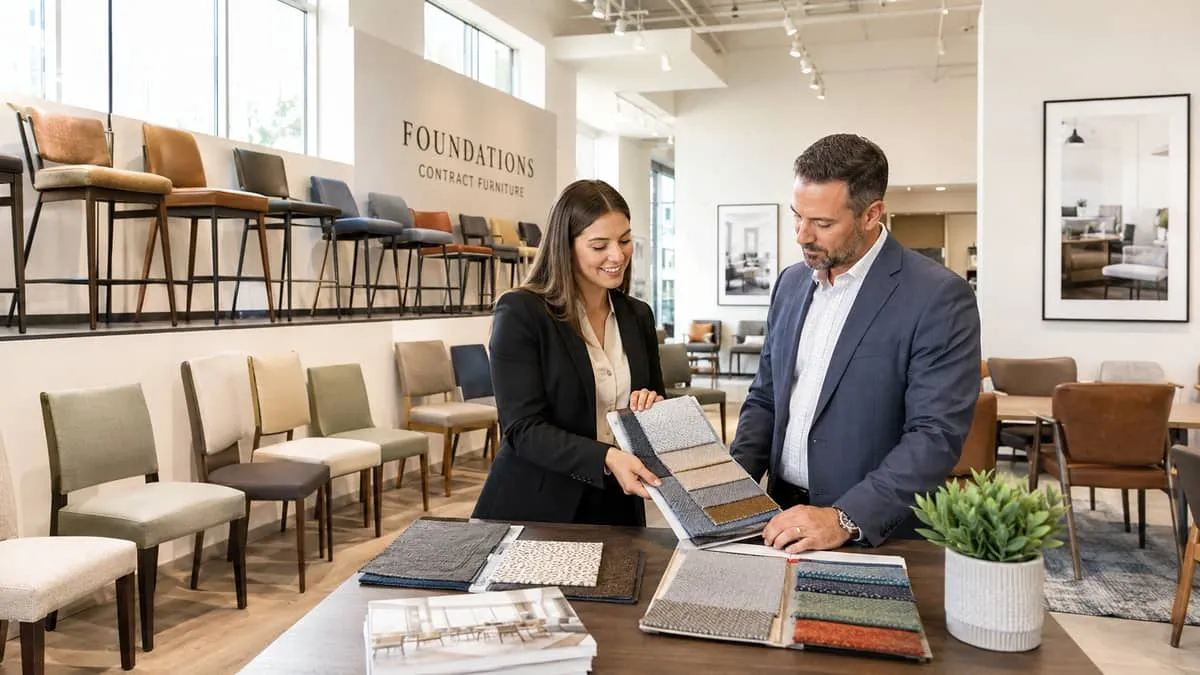
When evaluating suppliers for your Victoria restaurant, ask directly: what is your current production lead time, what is your minimum order quantity, and do you have local or regional service support for warranty claims? A five-year structural warranty on chair frames is a meaningful signal about product confidence. A warranty that requires you to ship damaged chairs to a facility in Ontario for assessment is a meaningful signal about how painful a claim will actually be to resolve.
What Gets Missed in the Design Phase
The last thing most operators are thinking about when they're deep in finish selections and menu development is glide hardware on chair legs. It becomes the first thing they think about three months after opening, when the glides have worn through and their century-old hardwood floors are showing scratches. Victoria's heritage buildings often have original or restored hardwood floors that are both beautiful and expensive to repair. Non-marking felt or rubber glides on all chair legs are non-negotiable in that context , and the glides need to be replaceable without sending the chair back to the manufacturer.
Ask your supplier specifically about replacement part availability: glides, seat screws, replacement upholstered seats if you're buying a modular chair design. A restaurant running 80 covers with chairs cycling through multiple daily seatings will go through glide hardware on a regular maintenance schedule. If replacement parts require a six-week overseas order, you will either run chairs without glides or improvise with hardware-store felt pads that don't fit properly. Neither outcome is good for your floors or your guest experience.
The restaurants in Victoria that maintain their furniture well , the ones where you sit down five years after opening and the chairs still feel solid and look intentional , are the ones that treated procurement as an infrastructure decision rather than a design decision. They specified for their actual operating conditions, bought from suppliers who understood commercial hospitality standards, and planned the timeline far enough ahead to get what the space actually needed rather than what was available on short notice. That approach is available to any operator in this market. It just requires starting earlier than feels necessary.
Tell us about your Victoria restaurant furniture needs and we will turn your quantities, finishes, and timeline into a firm quote. Request a quote whenever you are ready to compare.