
Most people arriving at commercial furniture for the first time hit the same wall: there's no price on the page. No add-to-cart button, no shipping calculator, just a form asking what you need. That feels like something is being withheld. It isn't. It's a consequence of how the category is actually built and sold, and once the mechanics make sense the whole process gets a lot easier to navigate.
This guide covers the buying side: how commercial furniture is priced, what a real quote is made of, and the questions that tell you whether a vendor can actually deliver. If you want the specification side instead — the test standards and numbers that prove a piece is contract grade — that's covered in what commercial grade furniture means.
What makes furniture "commercial" in the first place
Commercial furniture is furniture built and certified for business use, which means it has been tested against a duty cycle rather than simply described as heavy duty in a listing. In the United States that testing is defined by BIFMA, the Business and Institutional Furniture Manufacturers Association, and it covers the three things most likely to fail in a public room: weight capacity tested to a stated figure, structural stress under repeated load, and flammability.
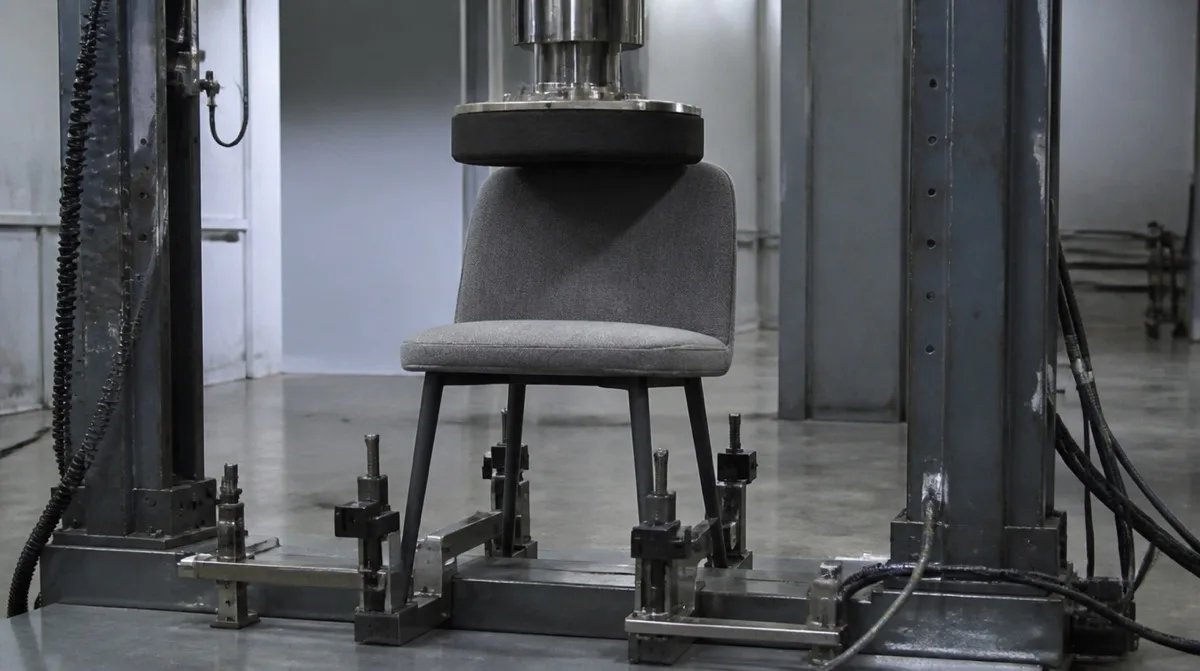
Residential furniture has no obligation to meet any of it. It's engineered for a few hours of use a day by roughly one person, and it performs exactly as designed. Put it in a room with public traffic and it isn't being abused — it's being asked to do a job it was never specified for. That difference in what a piece was tested against is the entire reason the two categories are priced differently.
Why there's no price on the page
A commercial furniture price isn't one number, so publishing one would be misleading. A real quote is assembled from parts:
The unit price at your quantity. Unit price moves with volume, and not by a discount applied at the end. The number for twelve chairs and the number for a hundred and twenty are genuinely different numbers, because the manufacturing run behind them is different.
Freight, quoted separately. Furniture ships by pallet space and weight, not by a flat rate (how commercial furniture freight and delivery actually work). Twenty chairs and twenty tables occupy very different amounts of a trailer, and where you are relative to the warehouse changes the figure again. Freight is frequently the difference between two quotes that look identical on the furniture line.

Installation, if you need it. That's labour, and it depends on the site — a ground-floor restaurant with a loading door is not a fourth-floor function room with a service lift.
Sometimes a design or specification fee, if you're working with a dealer on a full project rather than ordering from a list you already have.
This is why the category runs on a quote process rather than a checkout. That's normal, and there's a separate guide on what to include when you request a quote so the number comes back accurate the first time. What isn't normal is a vendor who won't break those parts out for you, because a single blended number is the easiest place to hide freight.
The three things to check before you buy anything
Is BIFMA certification stated? Stated, not implied. If a listing leans on "heavy duty" or "commercial grade" without naming a standard, it has told you nothing — neither of those phrases is regulated, and anyone can print them.
What's the warranty, and on which parts? Commercial warranties typically run five to twelve years. Just as important is what's covered: frame, cushions and labour are often warranted for different periods, and the shortest of the three is the one that matters. A ten-year frame warranty next to a one-year cushion warranty is a one-year chair in the seats people actually sit in — what commercial warranties actually cover goes through the exclusions in detail.
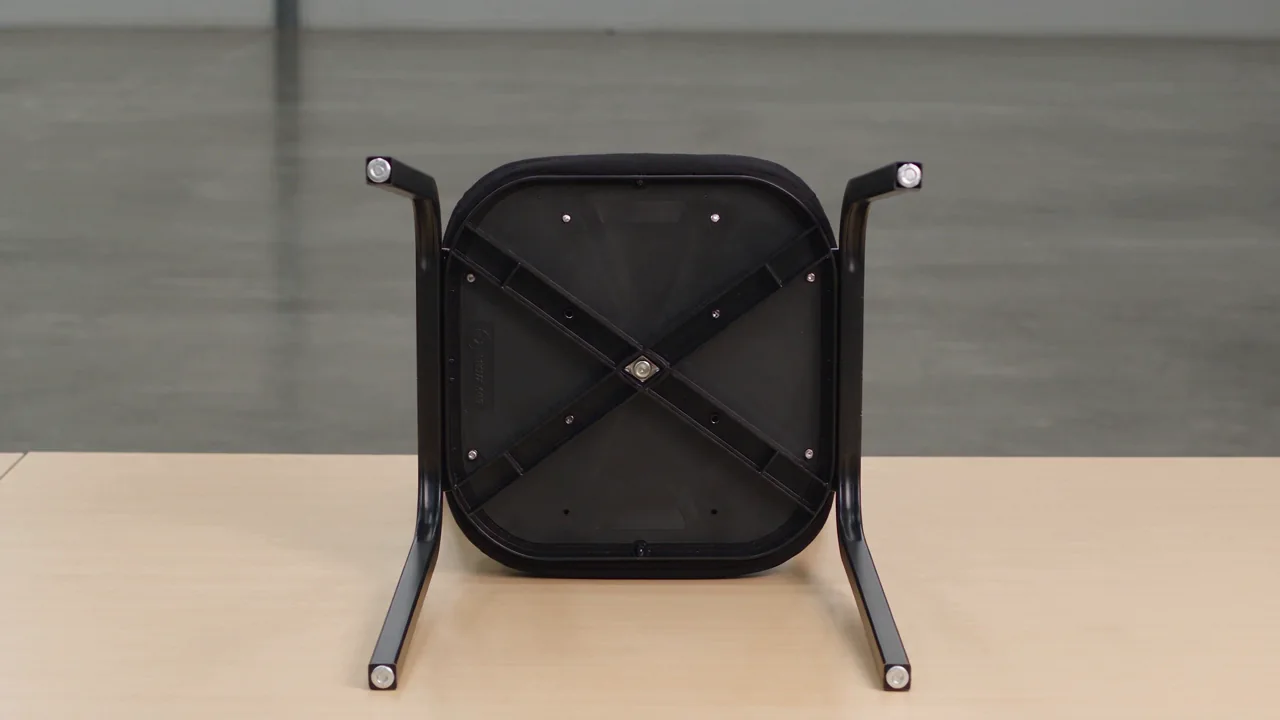
Does it meet your local codes? Fire rating and ADA accessibility, particularly for public-facing rooms like dining rooms and waiting areas. These aren't preferences, they're conditions the room has to satisfy at inspection, and non-compliant furniture turns a purchasing decision into a liability one.
If a seller can't answer those three clearly, that's a signal in itself. The answers aren't obscure — anyone genuinely selling commercial furniture has them to hand.
The four questions that tell you who you're dealing with
Once a vendor passes those checks, four questions separate the ones who've done this from the ones who haven't. There's a longer list in what to ask a commercial furniture supplier; these four are the ones that matter most.
"What's your typical lead time for this order size?" Lead time scales with quantity and with whether an item is stocked or made to order. A vendor who gives you one number regardless of size hasn't thought about your order.
"What's covered under the warranty — frame, cushions, labour?" Worth asking twice, because the answer is usually more specific than the marketing.
"Do you have commercial and bulk order experience?" Volume orders fail in ways single orders don't: partial shipments, dye lots that don't match between production runs, a truck that arrives without a liftgate for a venue with no dock.

"What happens if something arrives damaged?" Ask before it happens rather than after. Freight damage on a large order isn't rare, and the answer reveals whether there's a real process behind the sale or just a salesperson.
Getting clear answers to those four tells you more about a vendor than their website ever will.
The short version
Commercial furniture is a tested category, not a description. Its pricing arrives in parts, and a quote process is the normal way to buy it rather than a sign something is being hidden. Certification, warranty and code compliance are the three non-negotiables, and four straight questions will tell you whether the company on the other end has done this before.
If you're working out what to specify for a real project, send us the room and the counts and we'll come back with pricing, freight and lead times as separate lines — which is the only way to compare one quote against another.
If you are specifying for a client rather than buying for your own room, the designer-side version of this — trade pricing, spec packages, sampling and what to insist on in writing — is in how interior designers source commercial furniture at trade prices.