
Event rental furniture earns revenue through repeated bookings. The purchase therefore needs to work as an inventory system: matching items, documented specifications, enough available stock, compatible carts and a way to repair wear parts.
Start with the party rental inventory calculator to organize quantities. Use the checks below to evaluate the furniture and supplier before buying the fleet.
Size the fleet to overlapping bookings
Count the units that will be unavailable at the same time, including delivery, the event, collection, cleaning and inspection. Annual booking volume does not reveal that peak.
For example, an order of 120 chairs returned on Sunday cannot supply an 80-chair Saturday event while it is still out. Those overlapping bookings need 200 available chairs before any reserve. Add a separately chosen allowance for units undergoing repair or cleaning.
List confirmed demand, likely additional bookings and speculative growth separately. This lets you see which purchases serve booked work and which depend on future demand. Compare ownership with the cost and availability of subcontracted inventory before expanding a rarely used style.
Keep a repeatable specification for every fleet item
A booking for matching chairs should not become a mixture of slightly different frames or colors. Keep a master record for each fleet item:
- Manufacturer and model, including revision or configuration where provided.
- Dimensions, chair weight and intended indoor/outdoor use.
- Finish code, textile or cushion specification and an approved sample.
- Stacking instructions, compatible cart and loaded dimensions.
- Replaceable parts and their identifiers.
- Purchase dates, supplier references and any approved substitutions.
A repeat order still needs confirmation. Ask whether the model, materials, finish or parts have changed and request approval samples when a match matters. A standard specification makes matching easier; it cannot guarantee that a discontinued fabric or frame remains available.
The volume-order service can be used to discuss a coordinated package and future ordering requirements.
Evaluate transport wear and repairability
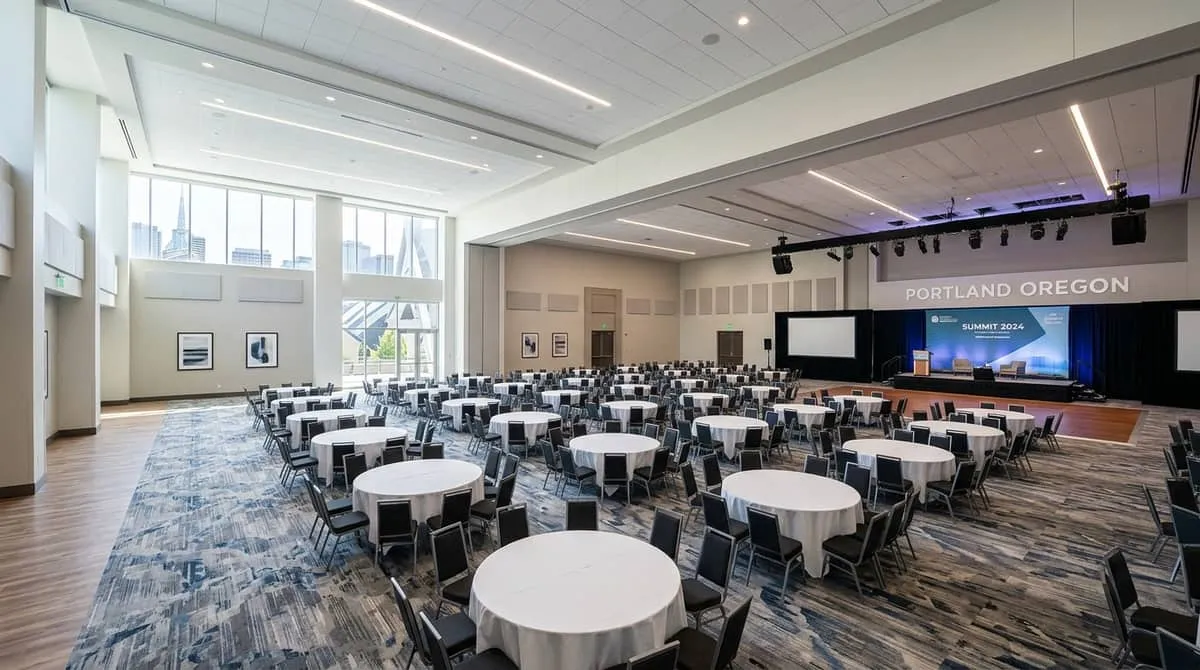
Rental use adds loading, unloading and transport to the furniture's in-room use. Inspect the sample's joints, stacking-contact points, glides and surfaces that touch carts or neighboring pieces. Ask for the manufacturer's approval of the intended use and handling method.
Do not infer durability from a material name or an unsupported load claim. Review the exact model's documentation and follow its limits. The banquet chair buying guide covers sample handling and document checks.
Repairability should be part of supplier selection. Ask which glides, bumpers, seat pads, slings or hardware can be ordered individually, how the part is identified and what happens after a model is discontinued. Confirm current availability and ordering terms rather than assuming parts will remain stocked indefinitely.
Compare cost per turn
Define a turn consistently: one unit rented, returned and made ready for its next booking.
Acquisition cost per turn = landed purchase cost per unit divided by expected rental turns before retirement.
Two example inputs show why purchase price alone can mislead. A unit acquired for $70 and used for 300 turns has an acquisition cost of about $0.23 per turn. A $50 unit used for 120 turns costs about $0.42 per turn. The assumed lifespans are scenario inputs, not performance claims for particular products.
Run a shorter-life case as well as your base estimate. Add cleaning, repair and handling costs separately so a chair that is economical to buy but slow to process is visible in the comparison.
Rental revenue less variable per-turn costs gives a contribution toward acquisition and overhead. It is not net profit. A break-even estimate must use that contribution, and it has no finite result if the contribution is zero or negative. The chair rental profit calculator lets you explore the operating assumptions.
Check the warehouse and truck as well as the event
Record the manufacturer's approved stack count, compatible cart, loaded cart dimensions and total loaded weight. Confirm the cart's rating and the vehicle's usable capacity. Floor space alone does not establish a safe load.
Compare that loaded system with the ramp, door openings, turning space and storage position. Keep room to inspect returned stock and separate damaged or dirty units from ready inventory.
A useful planning sequence is:
- Count chairs or tables assigned to the busiest overlapping bookings.
- Calculate compatible cart counts using approved capacities.
- Lay out the loaded carts in the usable storage and vehicle space.
- Confirm weight limits and the planned loading method.
- Allow access for loading, inspection, cleaning and repair.
The party rental inventory list helps identify the supporting equipment that can otherwise be missed.
Run a sample through the actual workflow
Ask for a sample in the proposed configuration before making the full order. Confirm its permitted use, then follow it through one representative booking: loading, setup, service, teardown, return, cleaning and storage.
Record handling time, stability in the intended setting, finish contact points, cleaning results and any parts that loosen or snag. A small trial cannot prove long-term durability, but it can expose a cart mismatch or awkward handling before the fleet arrives.
Have the people who load and clean the furniture contribute to the approval. Their observations answer different questions from the buyer's review of a photograph.

Use this supplier comparison checklist
Compare proposals against the same inventory list and ask for written answers:
- Is the exact model approved for the planned rental environment and handling?
- Which test documents, use limits, care instructions and warranty apply?
- What carts and replacement parts are compatible?
- What changes might affect matching reorders?
- Does delivery include unloading, inside placement or assembly?
- When do approvals start the production schedule, and is transit included?
- How are damage, shortages and replacement parts handled?
Keep general supplier services separate from the scope actually included in the quote. A supplier's ability to arrange something does not mean it is part of the price.
Prepare the fleet quote
Send the core specifications, quantities, chosen reserve, delivery address and required ready-for-rental date. Include the handling equipment and initial parts you want priced. Arrange an inspection window before committing the new inventory to bookings.
Browse banquet chairs and tables, confirm which models fit the rental use, and request a quote for the complete package.
Test a bulk chair purchase as a working fleet
Before approving a large party-chair order, test stacking, cart loading, doorway clearance, vehicle loading, and the reset with the staff who will handle it. Record the manufacturer's supported stack limit for the exact model.
If chairs are stored in view of customers, inspect the loaded stack as well as the event layout. Include carts and protective equipment in the purchase and record replacement-part codes so a damaged component does not automatically retire the whole chair.