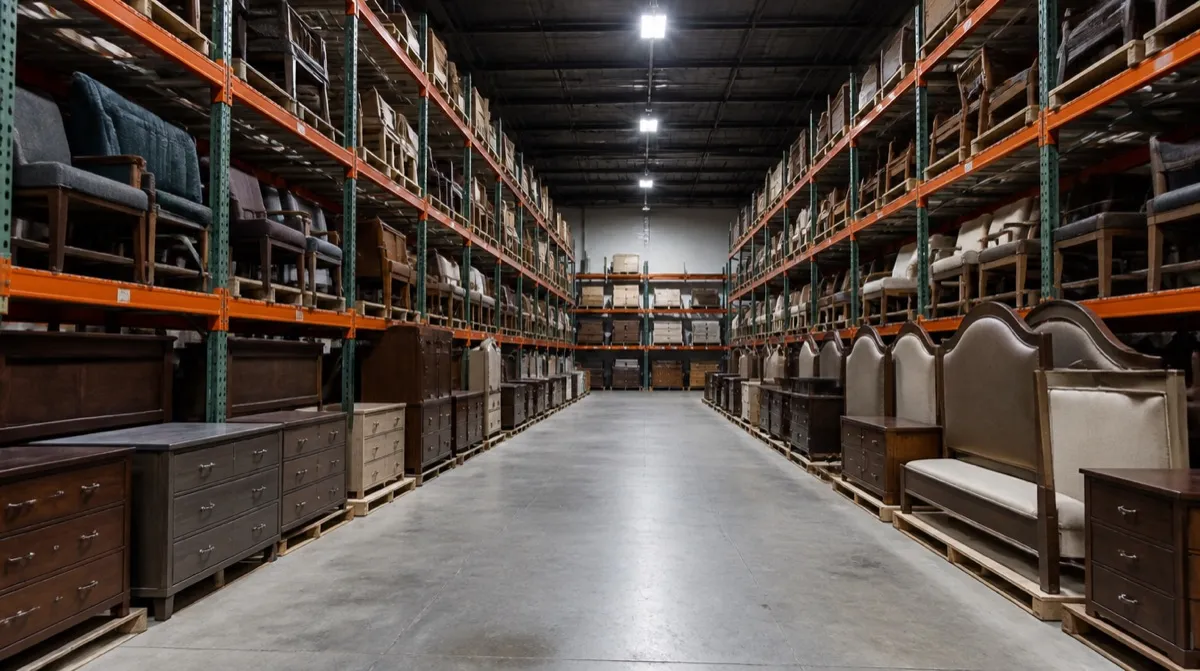
Every renovation has a moment where the old furniture has to be out of a room before the new furniture can go in, and the properties that plan that moment badly end up with a floor that is neither operational nor renovated. Disposal is not the exciting part of a renovation, but it is frequently the part that determines whether your install stays on schedule or stalls waiting on an empty room.
Who actually removes the old furniture during a renovation?
Confirm who is contracted to remove the outgoing furniture. Do not assume the new-furniture delivery scope includes haul-away: removal, liquidation, donation or disposal may need a separate provider and agreement. CFD connects project inquiries with relevant independent suppliers; its quote path does not establish a removal contract.
Treating removal as its own vendor relationship, with its own contract and its own schedule, is what keeps it from becoming the bottleneck for the incoming hotel furniture package you are waiting to install. A removal crew working against your renovation contractor's floor by floor sequence, rather than showing up whenever they have availability, is the difference between a clean handoff and a corridor full of old casegoods blocking your install team.
Liquidation, donation, or disposal: the decision tree
Assess condition, quantity and recipient requirements before choosing an exit path. A liquidator may accept usable furniture, but obtain written acceptance, pricing and pickup terms. Our hotel liquidators guide discusses questions for that route.
Ask potential donation recipients what condition and quantities they accept, whether pickup is available and when it can occur. Do not plan a full-property donation until acceptance and logistics are confirmed.
Separate damaged or unusable pieces for assessment and the locally permitted waste or recycling route. Confirm material restrictions, fees and any special handling with the removal provider and relevant local authority.

Sequencing removal against the incoming install
Coordinate removal and installation against the contractor's room-block schedule. Allocate corridor, loading and freight-elevator access to each crew so a cleared room and agreed handover can precede new placement.
Agree a buffer between removal and installation based on crew capacity, cleaning and any room repairs. A day can be a planning scenario, not a universal minimum. Confirm the room handover conditions before delivery.
Book value and write offs, in general terms
Furniture being replaced ahead of full depreciation still carries book value on your capital asset schedule, and how that gets written off affects your capital planning for the renovation. This is genuinely an accounting question specific to your property's depreciation schedule and tax situation, not something to solve from a blog post, so confirm the actual treatment with your accountant or CFO before you finalize a disposal plan. What you can do on the procurement side is document what is being replaced, when it was originally placed in service, and what condition it left in, since that documentation is what your accounting team will actually need. Our furniture depreciation calculator is a useful planning reference for estimating remaining book value before that conversation, though your accountant's number is the one that matters for filing purposes.
Coordinating the removal contractor with your new furniture order
Share confirmed delivery milestones with the removal contractor and revise both schedules together when they change. For the incoming package, browse wardrobes as design concepts, then obtain actual dimensions, construction and installation documentation.
Planning the exit before you plan the entrance
Plan the outgoing route by room block and confirm removal acceptance and dates before committing to installation. Request a quote for the incoming furniture with that sequence so independent suppliers can explain delivery options.
For the broader phasing question beyond disposal specifically, our hotel renovation furniture guide covers how experienced operators sequence a full property renovation, and FF&E replacement cycles explains how different areas of a property wear differently, which affects how much of the outgoing package is actually salvageable.