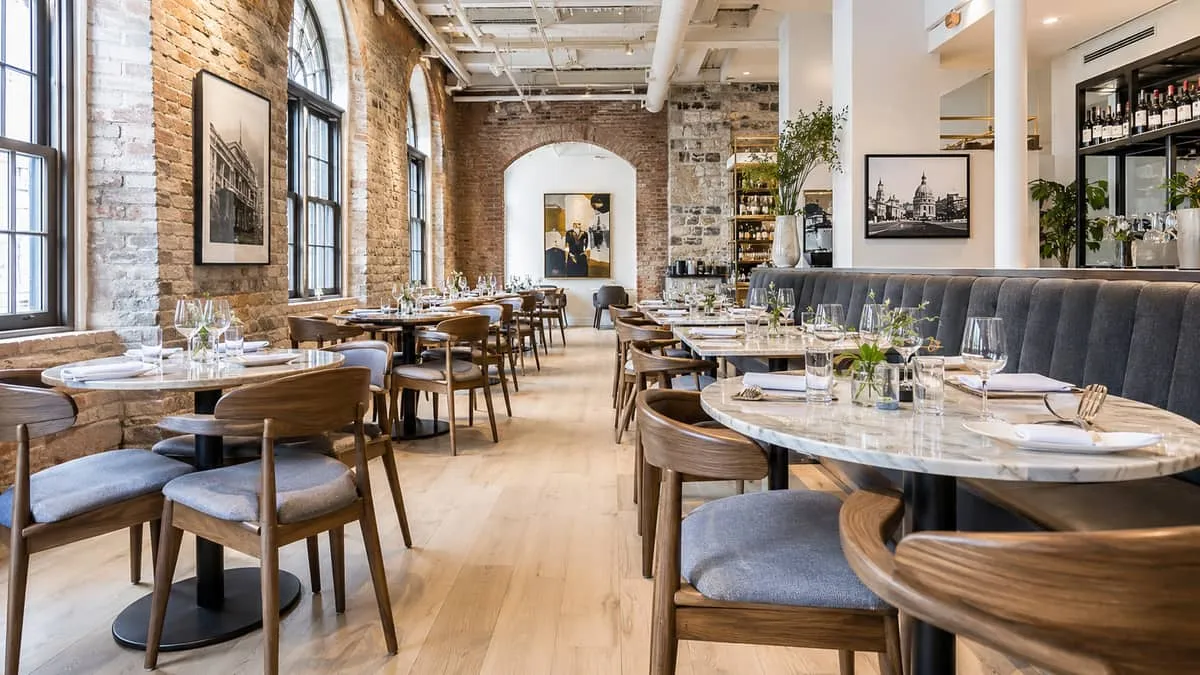
Montreal is not Toronto. That distinction is obvious to anyone who has eaten at a Plateau bistro on a Tuesday night in October and watched every table stay full until midnight. The dining culture here runs deeper, the design literacy of the average restaurant-goer runs higher, and the physical demands on restaurant furniture are shaped by a set of conditions that exist nowhere else in Canada. Terrasse season defines the street presence of every restaurant on Saint-Laurent and Avenue du Mont-Royal. Mile End sets an aesthetic standard that puts industrial materials next to Parisian craft. Little Italy runs long, communal tables where families come for the whole evening, not just a meal. And through the winter, Old Montreal fills hotel dining rooms where exposed limestone walls and candlelight put every chair joint and upholstery choice on display. If you are opening or renovating a restaurant in this market, the furniture specification decisions you make at the start will follow you for years. Here is what distinguishes a well-sourced spec from one that costs you double in replacements before your third year.
The Plateau and the Long Meal Problem
A restaurant on Saint-Laurent between Laurier and Mont-Royal operates under constraints that are distinct from anything you would encounter on King Street West in Toronto. The footprint is smaller. Ceiling heights in these converted duplexes and triplexes are lower. And the dining culture is emphatically not optimized for table turns. Montrealers eat late and stay longer. A dinner reservation at 7:30 PM on Avenue du Mont-Royal is a two-hour commitment minimum, and your furniture has to perform for the entire duration without the guest shifting, slouching, or noticing the chair at all.
That comfort standard drives specific furniture choices. Seat depth matters more here than in high-turn casual concepts. A seat depth of 17 to 18 inches with a slight backward pitch holds a guest comfortably through a three-course meal where a 16-inch flat seat starts to punish after 45 minutes. Seat foam density, typically expressed as ILD (Indentation Load Deflection), should be in the 35 to 45 range for dining chairs in a Plateau bistro context. Below that and the seat compresses fully under a 180-pound guest; above it and the chair feels institutional.
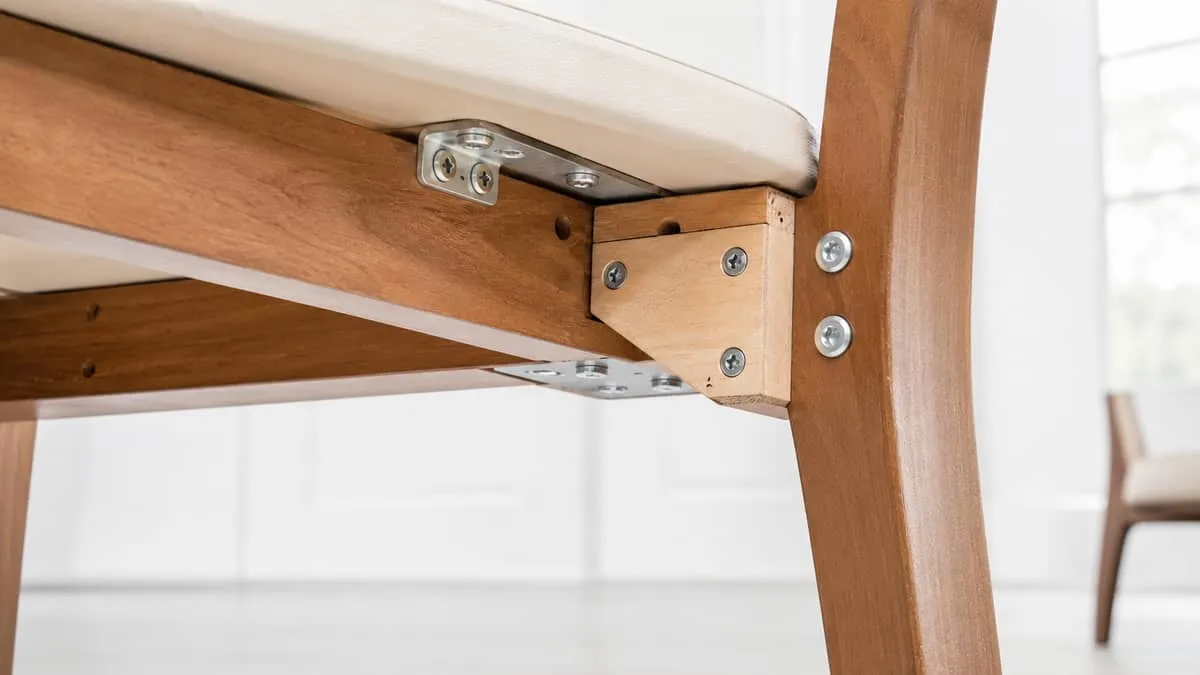
Frame construction for these rooms needs to account for the lateral stress that Montreal winters create specifically. Guests arrive in heavy parkas, often dragging chairs rather than lifting them. The double-dowel and corner-block joinery that separates contract-grade chairs from residential furniture is not marketing language here. It is the difference between a chair that survives three winters and one that starts loosening after 18 months. Commercial warranties of at least two years on the frame are the floor, not the ceiling.
Given the tight layouts typical of Plateau dining rooms, armless side chairs dominate over armchairs, and tables often run smaller than Toronto equivalents. Round tables at 24 inches work for two covers in a tight row; 30-inch rounds handle two comfortably and squeeze to three. Specify table bases with a compact footprint, ideally a spider base or single-tulip cast iron rather than a four-leg design, so that adjacent tables can be pushed together for larger parties without base interference.
Terrasse Furniture as Street Identity, Not Seasonal Afterthought
The terrasse on a Montreal restaurant is not a bonus seating section. From May through September, it is the visual identity of the restaurant on the street, the reason a passerby stops to look at the menu, and in many cases the reason they book a table. On Saint-Denis, on Laurier, on Mont-Royal, the quality and character of terrasse furniture signals everything about what is happening inside. Cheap stacking chairs in an indistinct color say one thing. A well-chosen set of powder-coated steel bistro chairs with a considered cushion program says another.
For outdoor furniture at this latitude, the specification requirements are non-negotiable. Powder-coat finish over steel or aluminum, applied electrostatically and cured at high heat, resists the freeze-thaw cycles that destroy painted surfaces within two seasons. Aluminum frames are lighter and fully rust-proof, which matters for chairs that get stacked and unstacked by staff multiple times daily through the season. Steel frames are heavier and more stable in wind, relevant for a terrasse on a corner exposed to the prevailing westerlies off the mountain.
Teak and FSC-certified hardwood remain the premium choice for terrasse tables where the aesthetic is Parisian brasserie, which fits a number of Old Montreal properties like Hotel Nelligan's exterior dining area or the terrasses adjacent to Auberge du Vieux-Port. For the Plateau context, powder-coated steel bistro tables with a compact 24-inch round top stack and store efficiently, and the visual language is exactly right for the neighborhood.
Cushion programs for terrasse chairs require solution-dyed acrylic fabric, not printed polyester. Solution-dyed means the color runs through the fiber rather than sitting on the surface, which is what allows it to survive UV exposure through a full Montreal summer without fading to a washed-out version of the original color. Sunbrella is the category standard and is available through commercial upholstery suppliers with quick lead times.
One operational note specific to Montreal's terrasse culture: your furniture specification needs to include a storage plan. Terrasse furniture that cannot be stacked efficiently or stored in a compact footprint creates an end-of-season problem every year. Stackable chairs and folding or nesting tables are not a compromise in quality; they are a practical requirement for any operator running a seasonal outdoor program in a city where that furniture needs to be pulled and stored before the first hard freeze.
Mile End: Where Industrial Meets Parisian and Both Have to Hold Up
The Mile End aesthetic that characterizes the bistros and coffee shops between Saint-Viateur and Bernard has become one of the most influential design vocabularies in Canadian hospitality. The combination of raw industrial materials, exposed brick and concrete, with warm wood tones and deliberately mismatched vintage-inspired seating has been copied in cities from Halifax to Calgary. But the original in Mile End is a specific thing, and getting the furniture specification right for this context means understanding what actually makes the look work rather than what it superficially resembles.
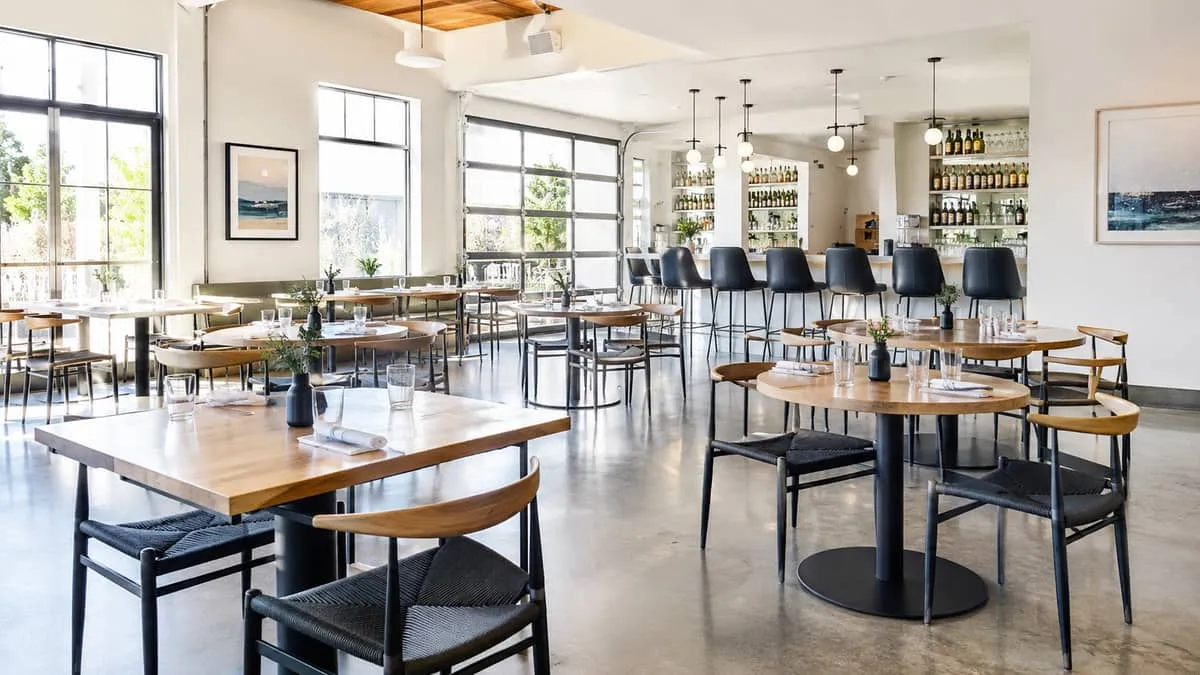
The industrial side of the equation typically means steel-frame chairs with a visible weld, wire-back or bentwood designs that read as utilitarian, and table bases in blackened steel or raw iron. The Parisian side means seat comfort is never sacrificed for aesthetics, upholstery in muted jewel tones or natural linen is present even if only on a portion of the seating, and the overall effect is curated rather than accidental. Getting the proportions wrong in either direction produces something that reads as either a factory cafeteria or a stage-set of a French restaurant rather than an actual Mile End bistro.
For operators in this neighborhood, bentwood chairs remain the most reliable furniture investment. The Thonet No. 14 and its contemporary contract-grade equivalents have a 150-year track record in exactly this context, they are light, stackable, and their curved form reads as inherently European in a way that a straight-line industrial chair does not. Paired with marble-top or butcher-block tables on blackened steel bases, the combination hits the Mile End register precisely.
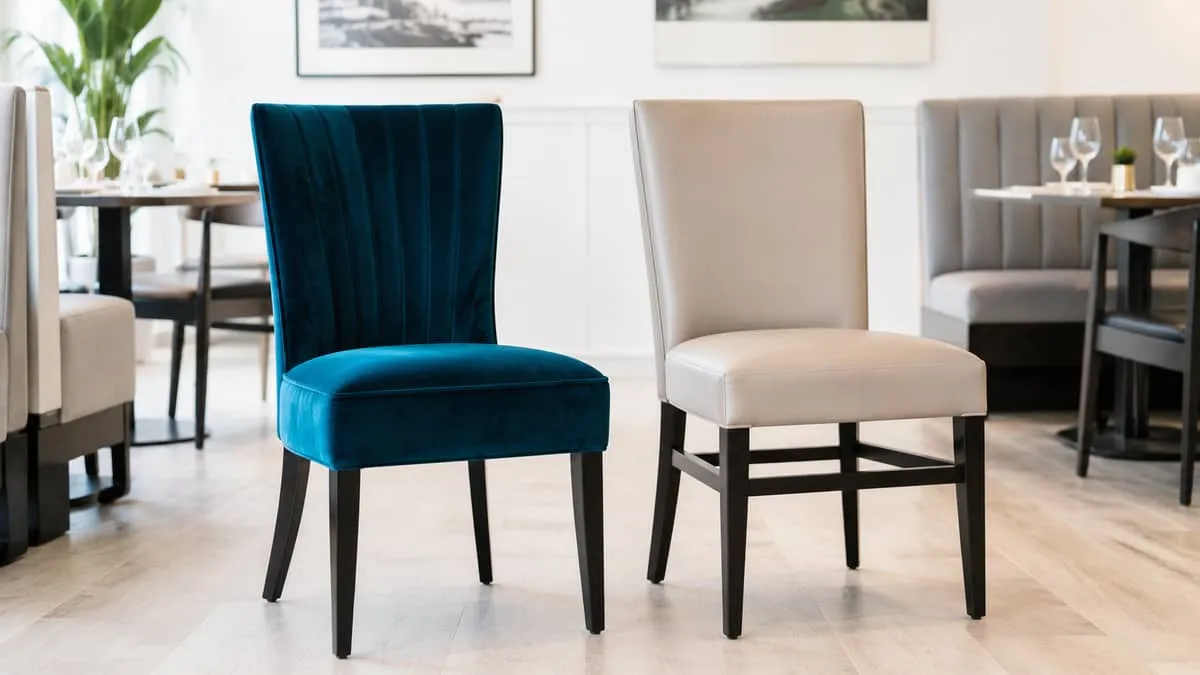
Upholstery in this context should be used selectively. A banquette along one wall in a dark bottle green or a deep burgundy velvet, specified in a commercial-grade version with a Martindale rub count above 50,000 cycles, provides the warmth the aesthetic needs without turning the room into a lounge. Hard-seated bentwood or wire chairs at table complete the contrast. The contrast itself is part of the point.
Little Italy and the Family-Format Configuration
The restaurants on Saint-Laurent from Jean-Talon south through the Petite-Italie corridor operate on a fundamentally different service model than the Plateau bistros or Mile End coffee shops. These are family-format concepts where the table configuration needs to handle parties of four to ten, where the meal runs long by design, and where the furniture takes the kind of wear that comes from children, extended families, and the general intensity of a full trattoria dinner service.
The furniture configuration priorities in this context are different from the solo-diner-friendly, small-footprint layouts that dominate Toronto's King West restaurants. Rectangular tables at 36 by 72 inches that can be pushed together for larger parties are the workhorse of Little Italy dining rooms. Table bases need to be positioned to allow this configuration without creating instability, which means four-leg bases or heavy trestle designs rather than single-column pedestals.
Chair specifications for this market favor durability over lightness. A solid wood side chair with a padded seat in a commercial-grade vinyl that wipes clean in seconds is the practical choice for a room that runs lunch and dinner six days a week and handles everything from business lunches to anniversary dinners to large family gatherings on a Sunday afternoon. Upholstered backs are an option worth considering; they add comfort for long meals and signal a level of hospitality investment that the trattoria format rewards.
Banquette seating along perimeter walls is standard in the better-established Little Italy rooms and for good reason. It maximizes covers per square foot, it reads as welcoming and casual in a way that matches the format, and it gives larger parties a natural configuration without requiring table pushes. Banquette frames should be built on-site or custom-ordered to dimension, with seat cushions in a commercial vinyl or a tightly woven performance fabric that handles food service wear.
Old Montreal: Heritage Rooms and the Upholstery Standard
The dining rooms in Old Montreal's hotel properties operate in a different register than neighborhood restaurants. Hotel Nelligan, Le Mount Stephen, the W Montreal, Auberge du Vieux-Port: these are rooms where the architecture itself is the backdrop, where exposed stone walls and period details set an expectation that the furniture has to meet. In these spaces, upholstery quality and frame finish are visible from across the room in a way that they are not in a dimly lit Plateau bistro.
For white-tablecloth and upscale casual rooms in this context, contract-grade velvet and bouclé in muted, saturated tones hold up against the visual weight of Old Montreal limestone. These fabrics are available in commercial versions treated for stain resistance and compatible with the cleaning agents that a professional hotel dining operation requires. A Martindale rating above 40,000 cycles is the minimum for a chair that will see daily service; 60,000 and above provides a realistic commercial lifespan of five to seven years before the fabric shows meaningful wear.
Frame finish in these rooms should be consistently specified across all seating. Inconsistent staining or finish tones across a dining room read as amateur, and in a heritage space competing with the existing character of the architecture, amateur finish kills the room. Natural oak with a light wire-brush texture, walnut with a matte oil finish, or painted frames in a single consistent color are all approaches that work. The decision should be made before the first chair is ordered and held consistently through the entire spec.
Barstools in hotel dining and lobby bar contexts require the same specification rigor as dining chairs. Height coordination between the stool and the bar or counter top is a spec decision that cannot be corrected after delivery. Measure the finished counter height, subtract 10 to 12 inches for comfortable knee clearance, and specify the stool seat height from that number, not from a default 24-inch or 30-inch standard. Welded steel footrest rings provide better durability than bolt-on versions, and a footrest positioned correctly for your counter height reduces the lateral rocking that loosens joints over time.
Sourcing for Montreal: Lead Times, Language, and Local Stock
The bilingual reality of this market shapes the sourcing process in ways that catch operators from other Canadian cities off guard. A number of Quebec-based furniture distributors operate primarily in French, and European furniture lines that are common in Montreal hospitality arrive through Quebec import channels that differ from what a Toronto supplier would typically carry. The aesthetic influence of French and Italian design on Montreal hospitality is genuine, not decorative, and the supply chain reflects that.
Lead times are the operational variable that most often derails Montreal restaurant openings. Custom upholstered seating from European manufacturers runs 16 to 20 weeks. For Grand Prix weekend, Jazz Festival, or a Plateau terrasse opening timed to the May long weekend, that means furniture orders need to be placed while construction is still underway. Suppliers with Canadian warehouse stock can compress that timeline to two to four weeks, and the reliability premium they charge is frequently worth it when the alternative is a delayed opening.
Ask prospective suppliers for references from Montreal-specific projects. A supplier who has outfitted rooms in the Plateau, Griffintown, or Rosemont will understand the aesthetic pressures, the footprint constraints, and the operational demands of this market in a way that a generalist distributor serving the national market will not. Griffintown's condo-adjacent boutique hotel and restaurant development has produced a distinct sub-category of the Montreal hospitality market over the past decade, with compact layouts and a modern finish standard that is different again from the heritage rooms of Old Montreal or the lived-in character of the Plateau. A supplier who knows the difference is a better partner than one who treats Montreal as a geographic variation on the same brief.
If you are planning a restaurant build or renovation and need to understand exactly what separates a furniture specification that holds up from one that generates replacement costs within three years, the guides below are a useful next step.
Ready to spec restaurant furniture for your Montreal project? Send us the details and we will price it around your requirements. Request a quote to start.