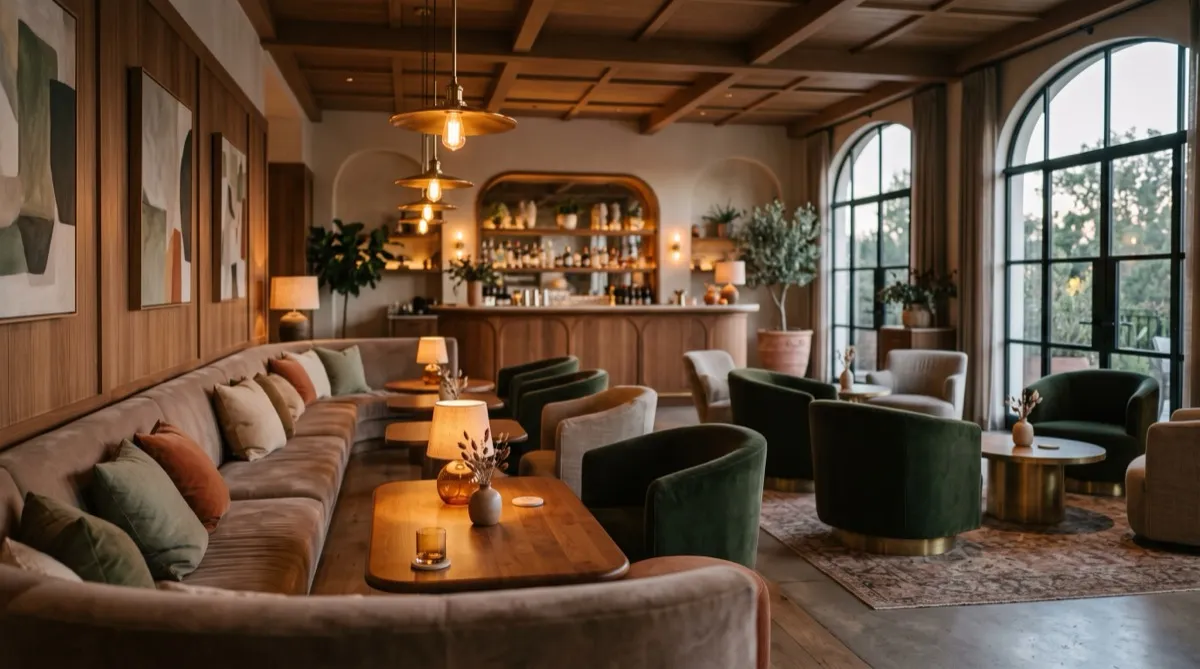
The lounge area in a restaurant or bar is the first thing a guest sees and the last thing most operators spend money on.
That's a mistake. Your lounge seating communicates what kind of place you are before a guest sits down at a table. Get it right and it sets the tone for the whole experience. Get it wrong and the nicest dining room in the world has a bad first impression.
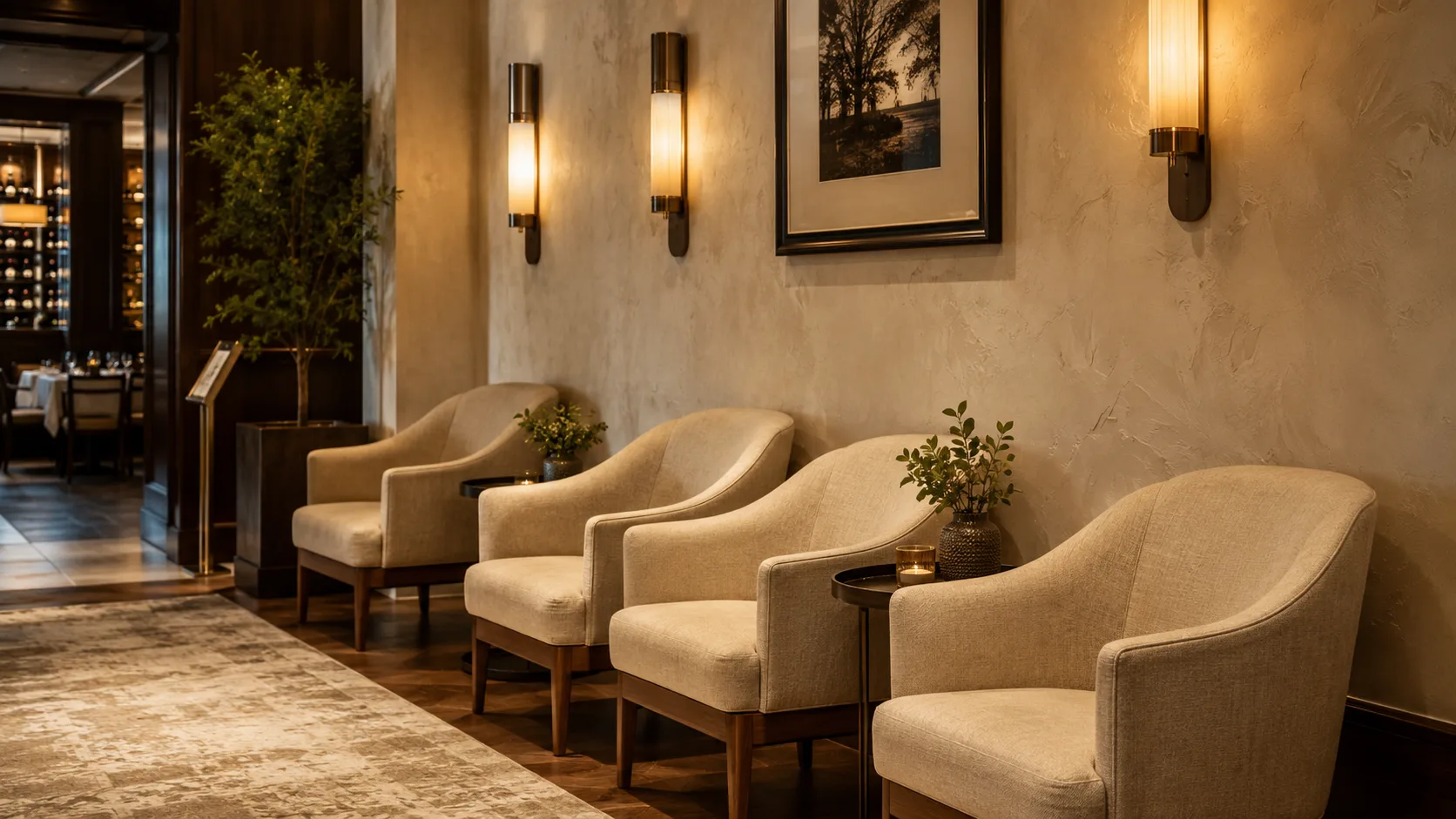
Here's what to buy, what to avoid, and how to source it commercially.
What counts as lounge seating in a restaurant
Lounge seating covers a few different use cases, and each one has different requirements.
Waiting area seating is the chairs or small sofas near your entrance for guests waiting for a table. These pieces see moderate traffic but are the most visible in your space. Comfort matters because guests are already waiting.
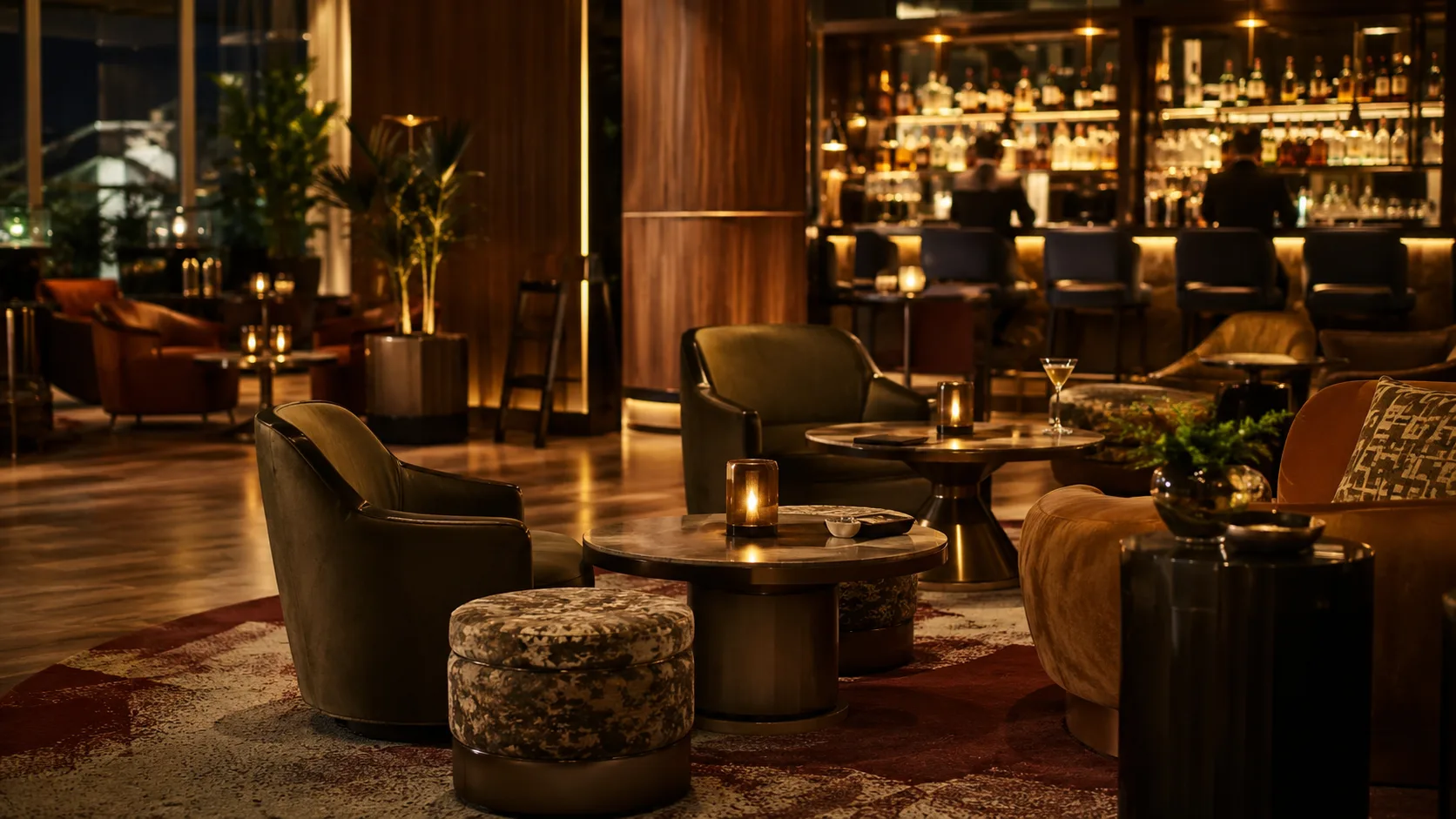
Bar lounge seating sits around cocktail tables in a casual bar or lounge area. More relaxed than the dining room, and it often sees heavy use across a long service window.
Outdoor lounge is a completely different spec. Fabric and frame need to handle weather exposure, UV, and moisture.
Private dining or event space seating needs to be flexible enough to reconfigure for groups.
A waiting chair someone sits in for 15 minutes before their table is ready has a completely different job than a lounge chair someone occupies for two hours with a cocktail. Spec them differently.
What holds up in a commercial lounge environment
In a restaurant lounge, your biggest enemies are spills, daily use, and cleaning products. Everything else is secondary.
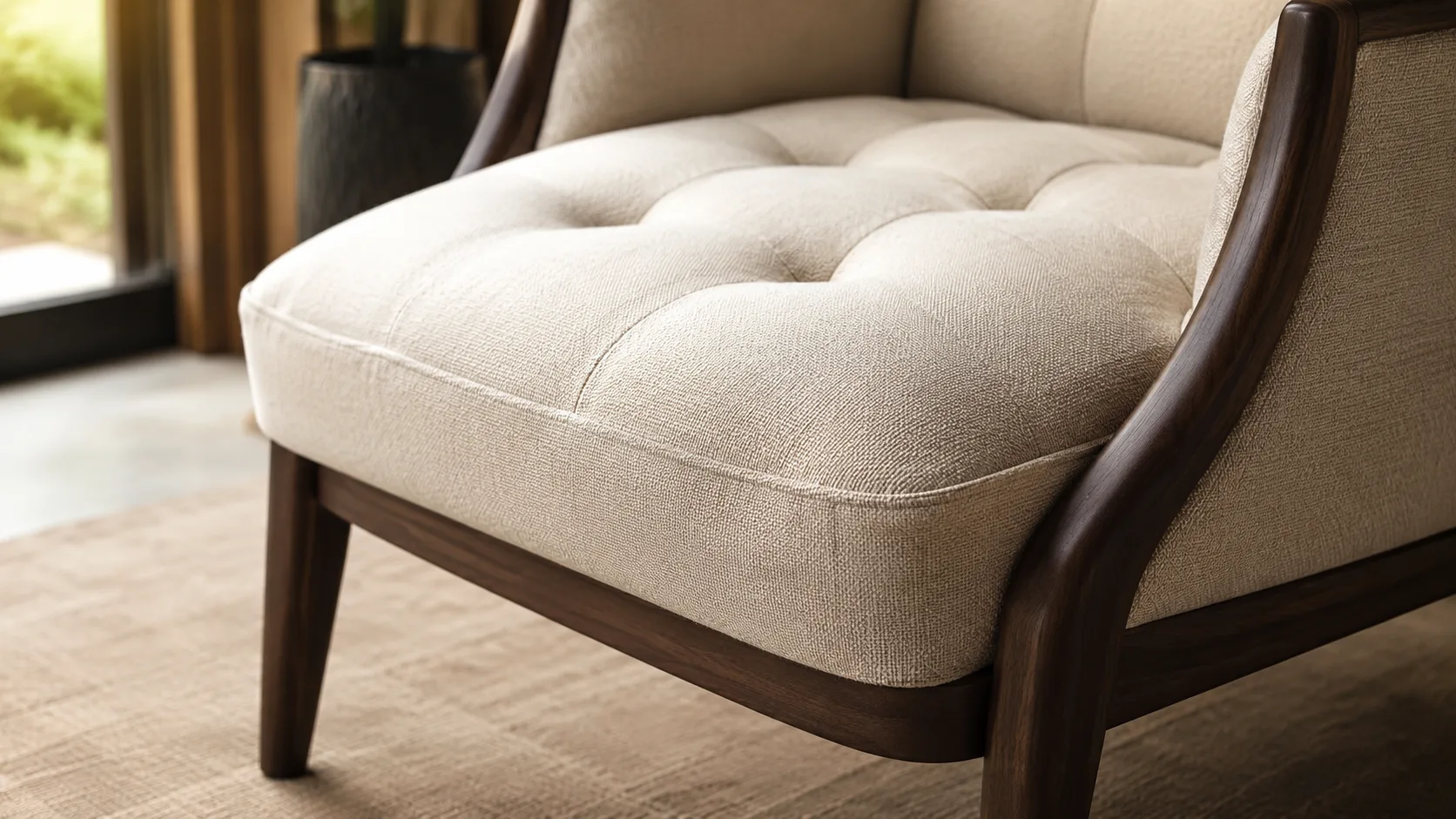
Frame: compare the actual metal, hardwood, MDF, particleboard or other assembly's support, joints, test documents, intended use, exposure limits and warranty. A material name alone does not establish commercial suitability or universal failure; there is no supported no-exceptions material rule here.
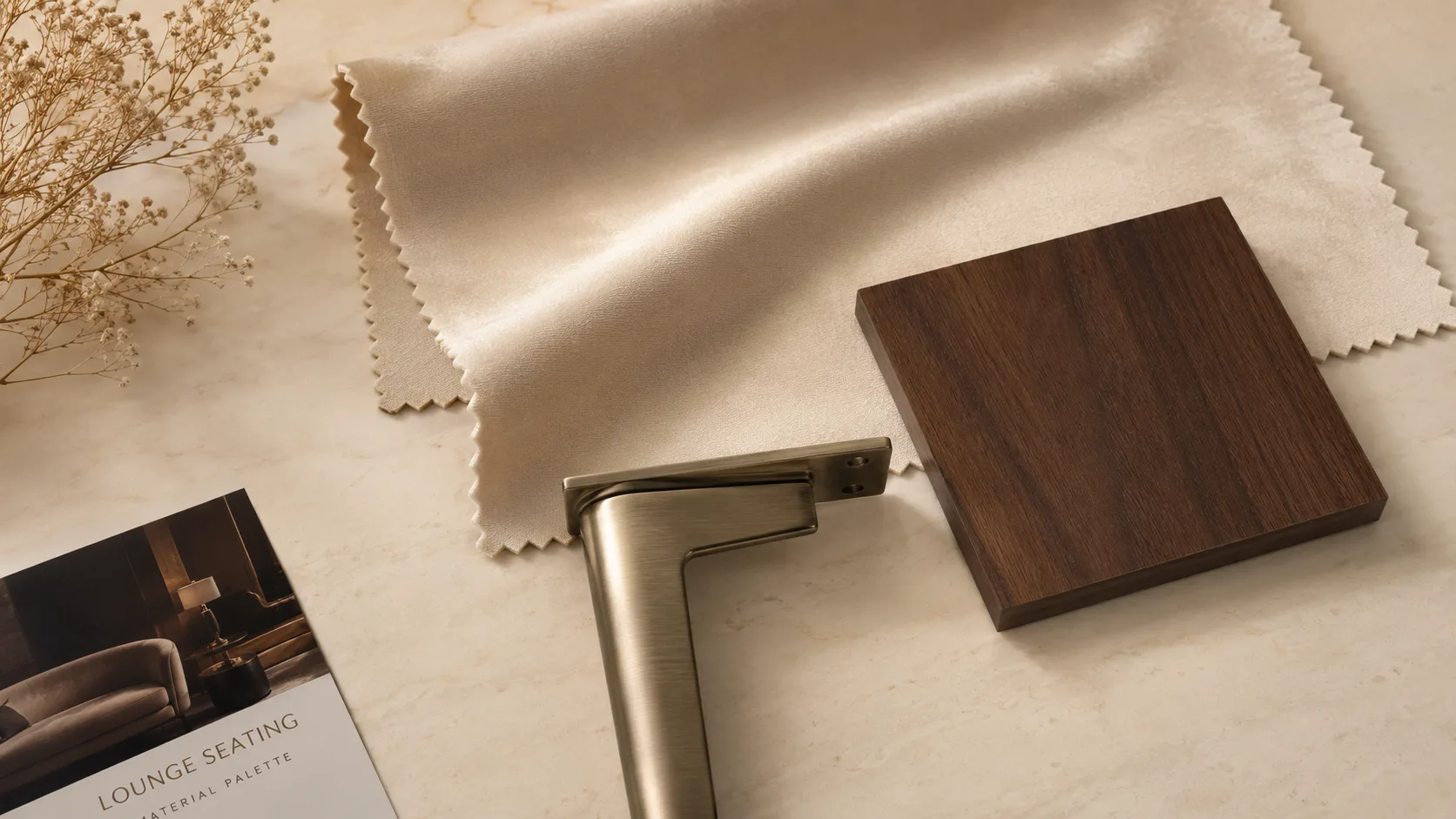
Fabric: Use the ACT textile-specific abrasion guidance rather than a universal 50,000 double-rub threshold, and review the actual care and construction evidence alongside the result. Crypton and Revolution are named options to investigate using the exact collection's application and care records. Specify the exact textile line and its care instructions. Crypton's cleaning guidance separates product care, and its contract bleach instructions apply to that defined product scope. A brand name alone does not authorize bleach on every cover, thread, foam, or frame, or guarantee no fading. Obtain the approved method for the complete chair; do the same for the chosen Revolution textile.
Foam: request density in mass-per-volume units, firmness, thickness, support, and fatigue information for the selected cushion. The Polyurethane Foam Association distinguishes density from firmness; a consumer or commercial label does not establish a months-to-collapse date.
Finish: obtain the exact powder coat, conversion varnish or other finish's approved cleaning, exposure and repair documents. The finish name or a sealed appearance alone does not establish resistance to the restaurant's cleaning products.
Style and sizing
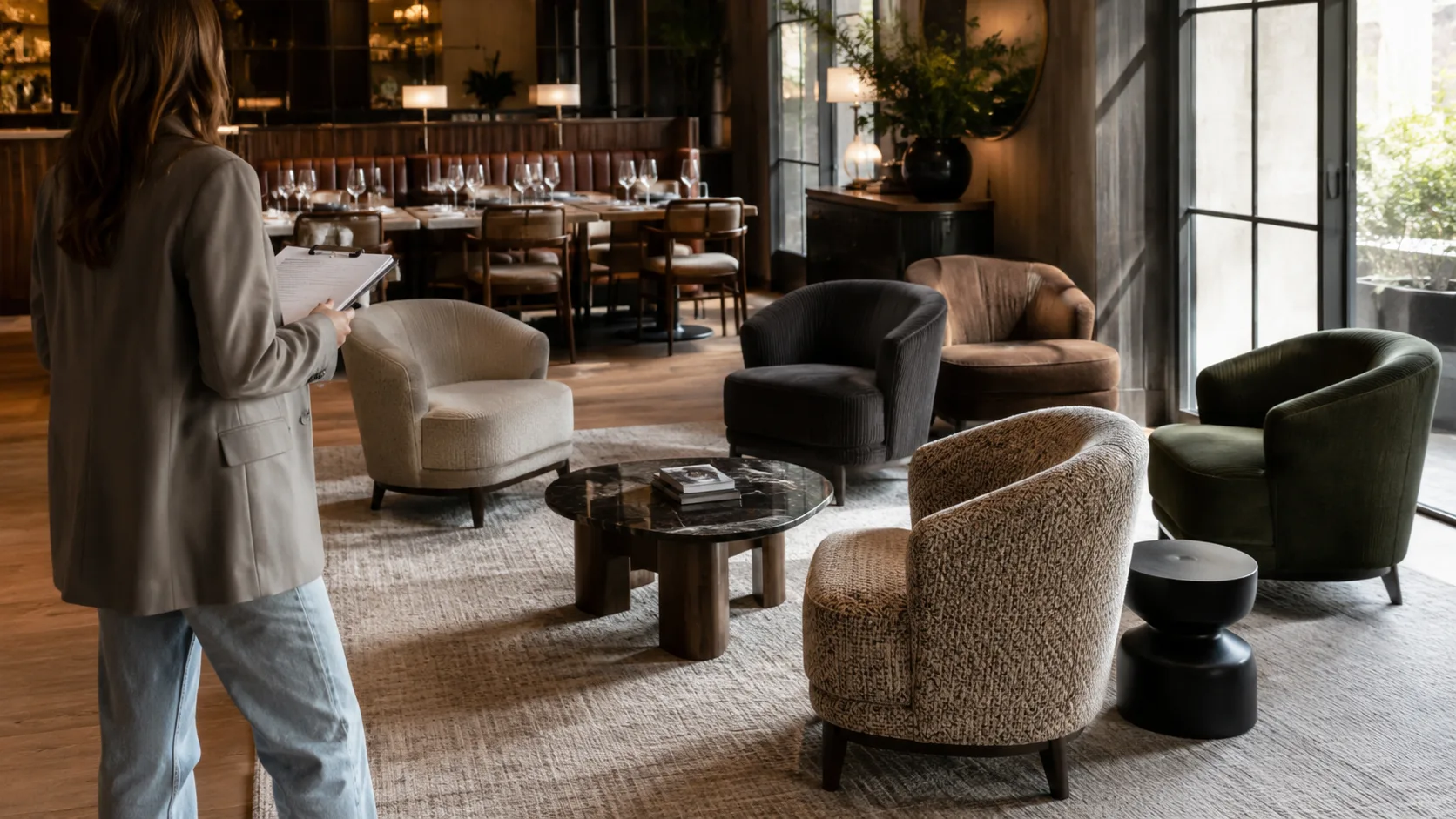
Lounge seating should match the rest of your dining room in tone. A casual restaurant gets more relaxed shapes and textures. Fine dining gets tighter, more structured silhouettes. The lounge area isn't a separate design decision, it's part of the same aesthetic.
Compare a 36-inch-wide lounge chair with 28 to 30 inch examples as an illustrative waiting-area trial. Draw the occupied seats, arrival route, bags and service access; neither width establishes fit, comfort or turnover for the room.
Use 16 to 18 inches only as an illustrative cocktail-table-height comparison with the chosen seating, reach and service task. Obtain exact dimensions and try the proposed pairing; the band is not a universal lounge-table standard.
How to spec it and what to ask for
Before you contact a supplier, have this ready:
- How many pieces and what types (chairs, sofas, cocktail chairs)
- The area they're going into (waiting area, bar lounge, outdoor patio)
- Your aesthetic direction (a few reference photos help significantly)
- Timeline and delivery date
For an illustrative quantity scenario, compare 4 to 6 lounge units per style with your actual lounge plan. That count is not a verified supplier minimum. Confirm any product, fabric, finish, or carton minimum and sample requirement before relying on a small order.
Confirm the proposed model's manufacturing origin, exact stocked quantity, and delivery route with the supplier; neither origin nor local stock is established by this guide. Use 10 to 14 weeks only as an illustrative preliminary custom-order assumption until approval, production, transit, and delivery milestones are confirmed. Share reference images and ask whether the selected model permits the fabric, finish, or dimension changes you need.
The bottom line
Don't underspend on lounge seating because it's not in the dining room. It's in the sightline of every guest who walks through your door. Review the actual frame, cushion, textile, care, warranty, and dimensions together, then keep condition and maintenance records instead of assigning a replacement date from the grade label.
Related reading: Commercial Upholstery Fabric Guide · How to Furnish a Restaurant · Matching Furniture to Your Restaurant Concept