
You need commercial furniture for your business. You search online. You get a mix of big-box retailers selling residential furniture at commercial-sounding prices, overseas factories with no local presence and 20-week lead times, and companies that require a form submission before they'll tell you what anything costs.
Where do restaurant owners, hotels, and office managers actually buy commercial furniture? Here's the real answer.
Direct from a commercial furniture supplier
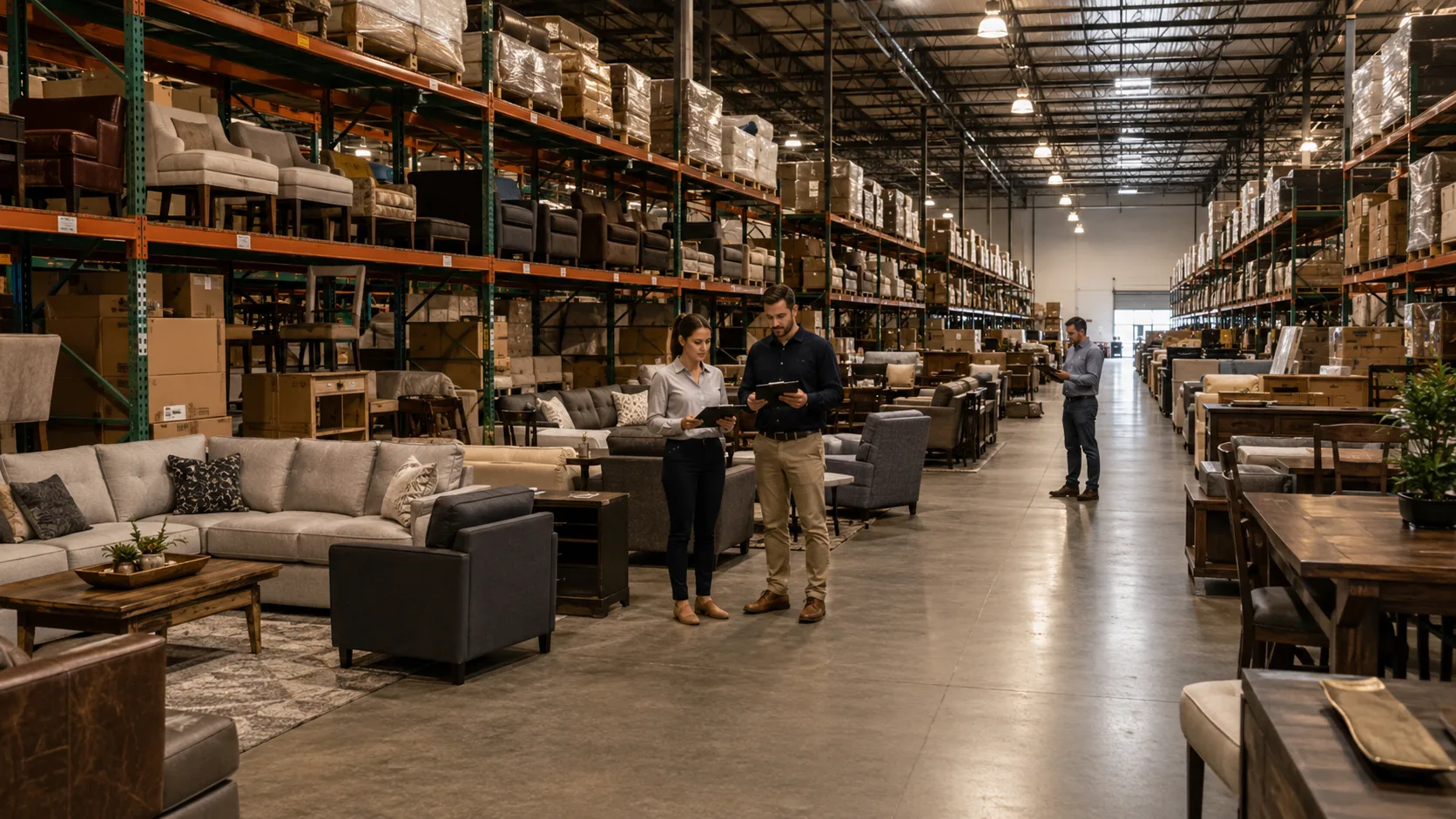
The most direct path: a company that sources, quality-controls, and sells commercial furniture to business buyers. No retail markup, no dealer margin, a real contact for questions about specs and lead times.
Most commercial furniture is manufactured in China. That's true across the industry. What separates a legitimate supplier from an overseas factory listing on Alibaba is local accountability: they manage the factory relationship, handle quality control and shipping, and have someone on this end when something needs to be addressed.
For items in local stock, turnaround is fast. For custom or larger orders shipping direct from the factory, plan 10 to 14 weeks.
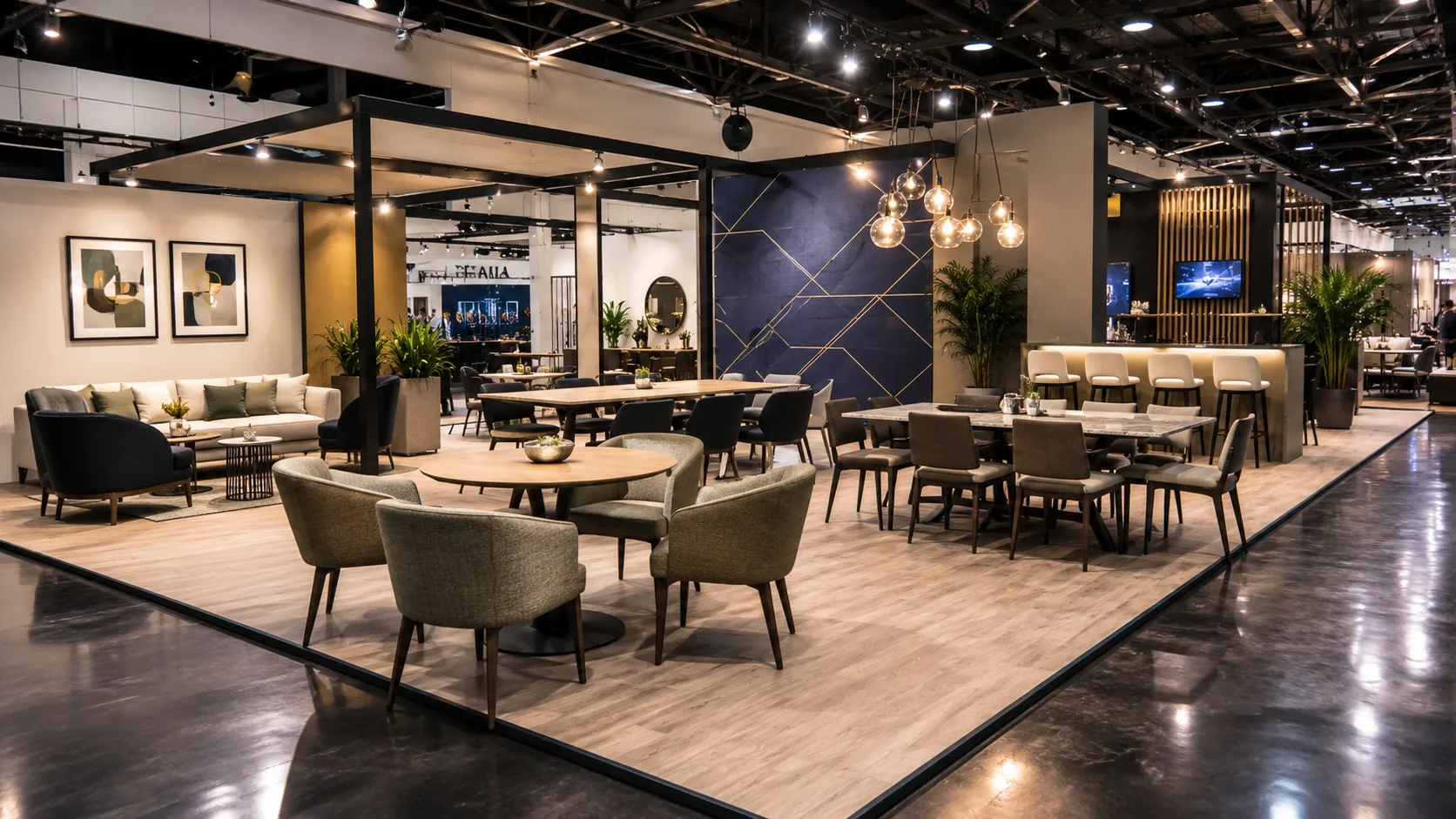
Works best when: you come with a specific project, a defined spec, and a quantity that meets minimums. This channel rewards buyers who know what they want. If you need help developing the spec, a good supplier will help, but come with at least the basics: product type, quantity, and timeline.
Watch for: suppliers who can't give you Wyzenbeek ratings on upholstery, BIFMA certification status on seating, or a specific lead time range. Vague answers to direct questions are a sign of a reseller with limited product knowledge.
Contract furniture dealers
Dealers represent multiple manufacturers and act as intermediaries between buyers and the production side. They're particularly useful for large, complex projects that pull from many different product categories and manufacturers.
Works best for: large corporate office buildouts, multi-property hotel groups, complex projects where you need coordinated purchasing across many product lines. A dealer manages those relationships and handles the coordination.
The tradeoff: there's a dealer margin built into the pricing. For a simple restaurant buildout where you need dining chairs, barstools, and lounge seating, going direct to a supplier is almost always the better economic choice. The dealer's value is in managing complexity, not in providing access.
Trade shows
Three shows cover the commercial furniture buying market in North America.
NeoCon runs annually in Chicago in June. The largest commercial furniture trade show in North America. Heavily weighted toward office and corporate environments but with hospitality presence.
Hospitality Design Expo in Las Vegas in May is purpose-built for hotel and restaurant buyers. Furniture, fixtures, finishes, and technology for hospitality spaces all in one venue.
National Restaurant Association Show in Chicago in May covers the full restaurant industry including furniture alongside equipment and supplies.
Trade shows are where you see and touch product before buying. You build supplier relationships in person, which makes the ordering process smoother afterward. They're not where you finalize orders, but they're excellent for market research and developing your spec.
Online: research channel, not buying channel
B2B furniture platforms and manufacturer websites have grown significantly as research tools. They're useful for understanding the market, comparing categories, and identifying suppliers to contact.

The limitation: buying commercial furniture without seeing physical samples or getting a proper consultation results in the wrong spec more often than not. A color on a screen is not the color on the product. A dimension in a table is not how it feels in the room.
Use online as a research channel. Use it to find suppliers, understand price ranges, develop your spec. Then make the actual purchasing decision through a real conversation with a real supplier contact.
Always request physical samples before committing to quantity on any upholstered product. Always confirm lead times and local stock availability before comparing quotes on timeline-sensitive projects.

The bottom line
For most single-location restaurant or office buildouts, going direct to a commercial furniture supplier is the right channel. Better pricing than a dealer, more customization than retail, a real contact for specs and issues. Bring a project with a defined timeline and quantity and you'll get a quote in 48 hours.
Related reading: Best Commercial Furniture Supplier in North America · Questions to Ask a Commercial Furniture Supplier · How to Get Wholesale Pricing